

Editorial
The third issue of the Zanco Journal of Human Sciences presents a rich and diverse collection of scholarly works that reflect the breadth and depth of contemporary research in the humanities and social sciences. This issue brings together studies ranging from literary analysis and linguistic theory to historical inquiry and organizational leadership, offering readers a multifaceted exploration of human experience and societal dynamics.
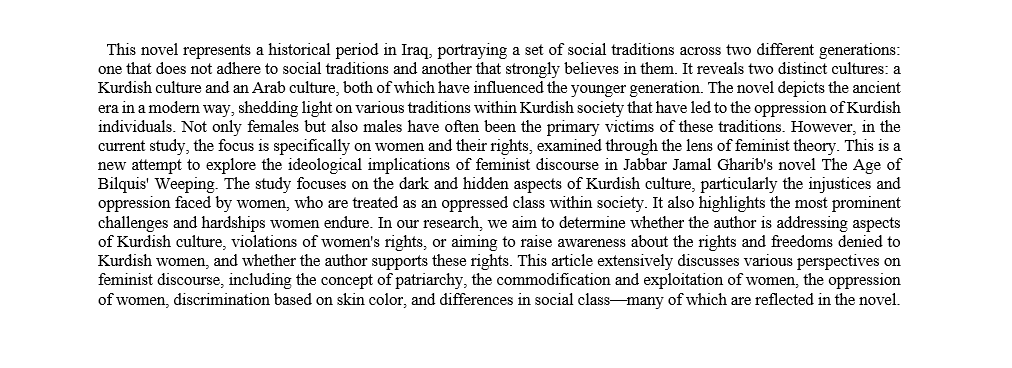
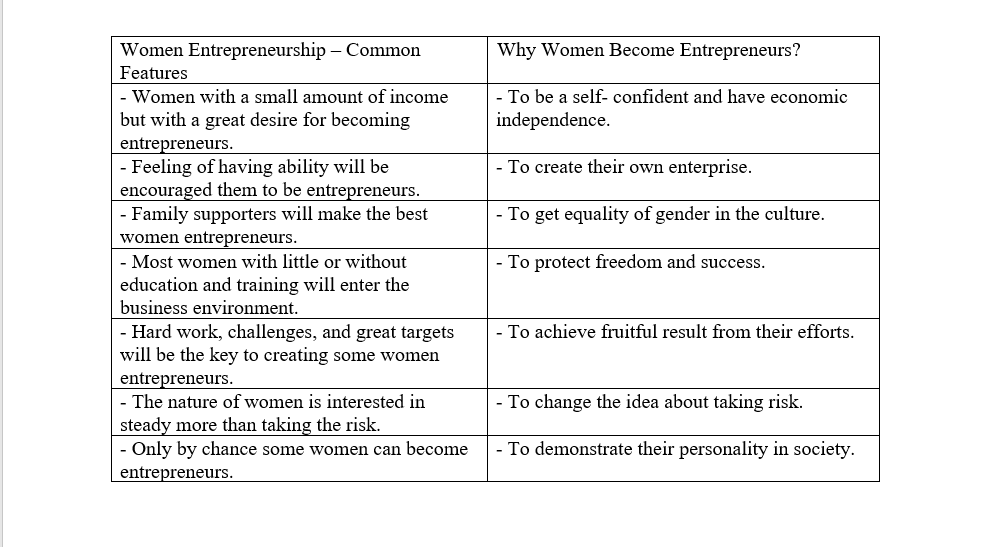
Among the highlights is the insightful examination of feminist discourse in Jabbar Jamal Gharib's The Age of Bilquis' Weeping, which contributes to ongoing conversations about gender and literature. Complementing this, the study on gender inequality and entrepreneurship in Erbil critically assesses the performance of working women, shedding light on socio-economic challenges in the region.
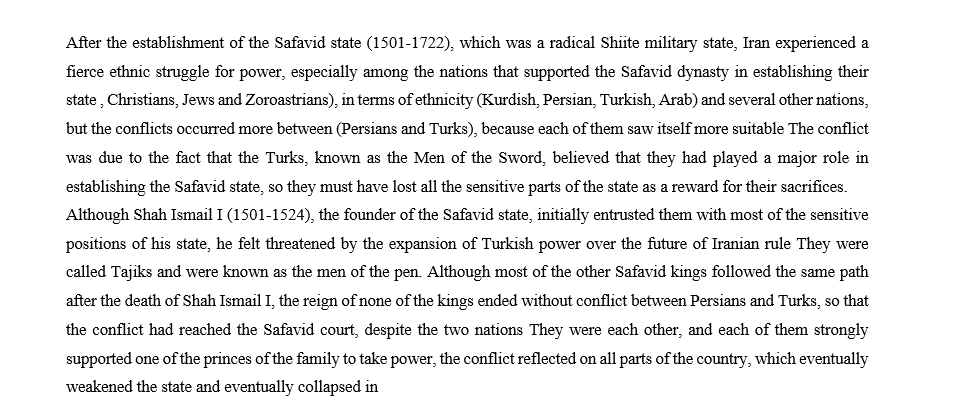
The issue also delves into historical and political realms with a detailed analysis of national conflict for power at the Safavid court (1501–1722). The historical narrative is further expanded by the investigation into Ottoman terracotta pipes found in Arbelal Citadel, offering a tangible connection to the material culture of the Ottoman period.
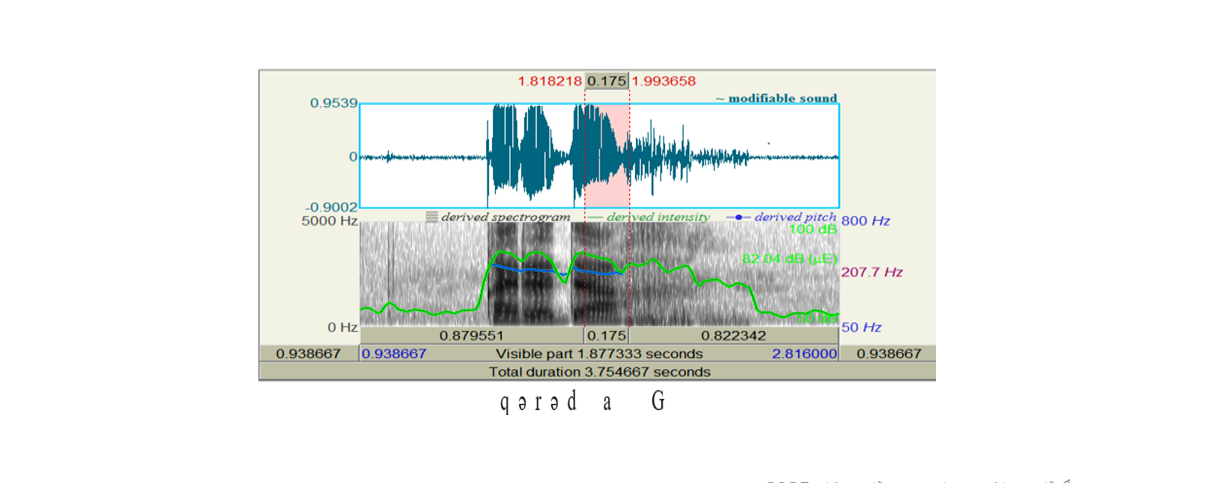
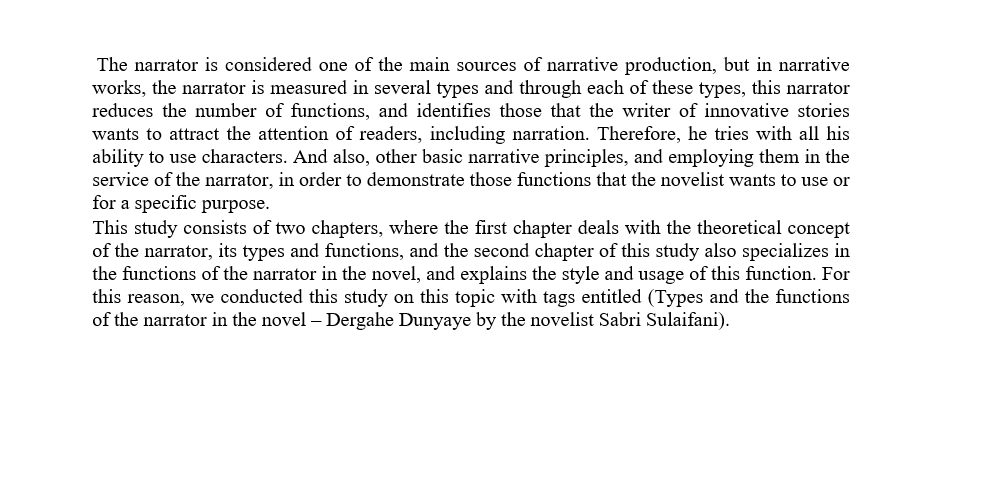
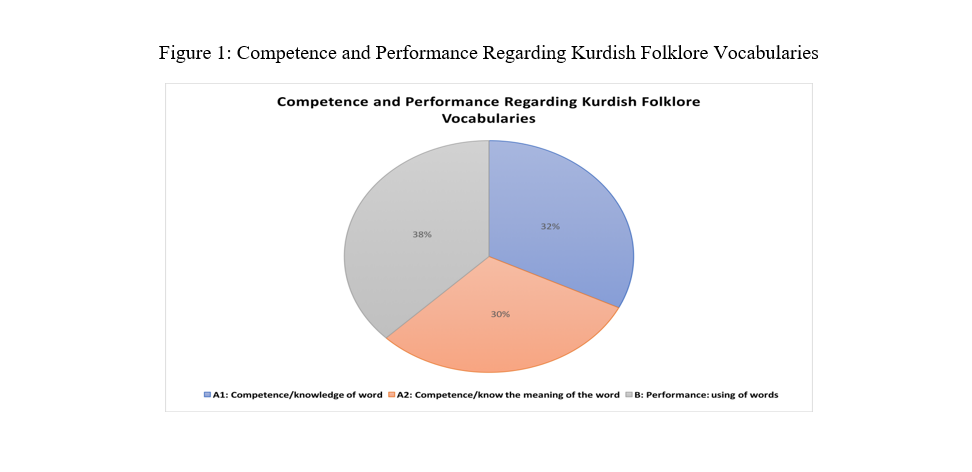
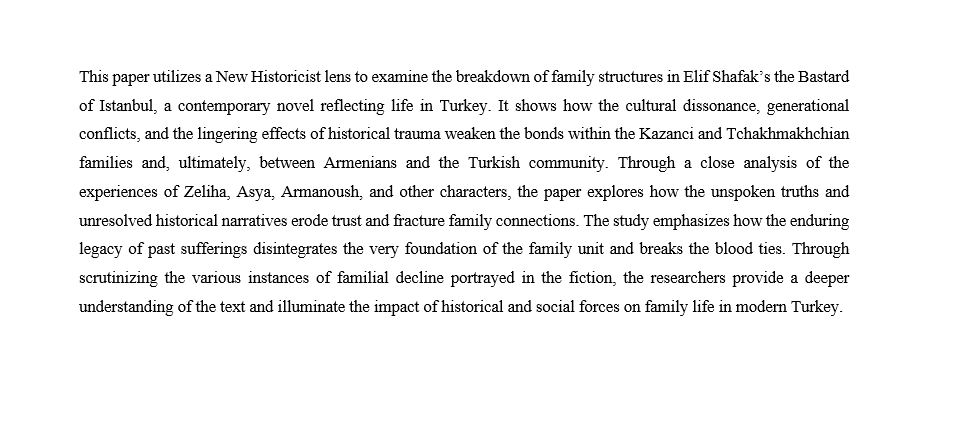
Linguistic scholarship is well represented through the study on compensatory vowel lengthening of /A/ based on moraic theory, advancing phonological theory, and the psycho-cognitive analysis of Kurdish folklore vocabularies, which bridges language and cultural cognition. In literary studies, the exploration of narrative types and functions in Sabri Sulaifani’s novel Dergahe Dunyaye and the application of New Historicism to Elif Shafak’s The Bastard of Istanbul provide critical insights into narrative form and historical memory.
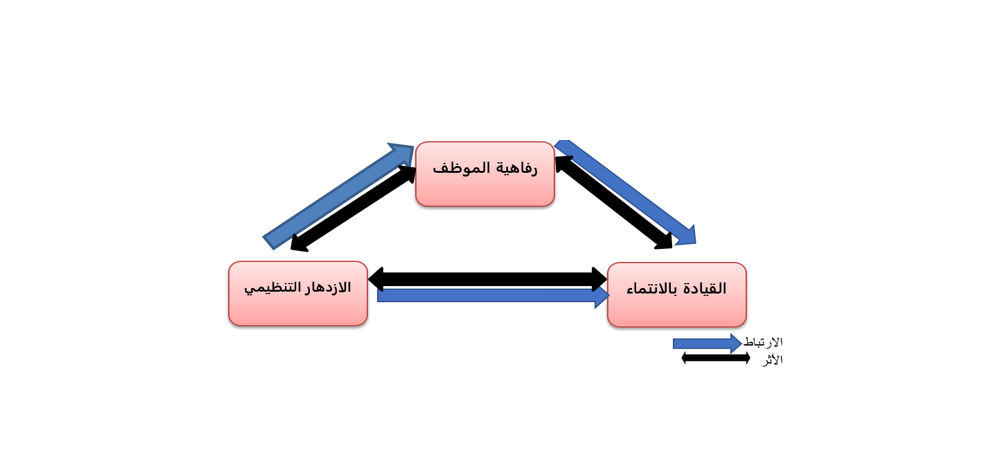
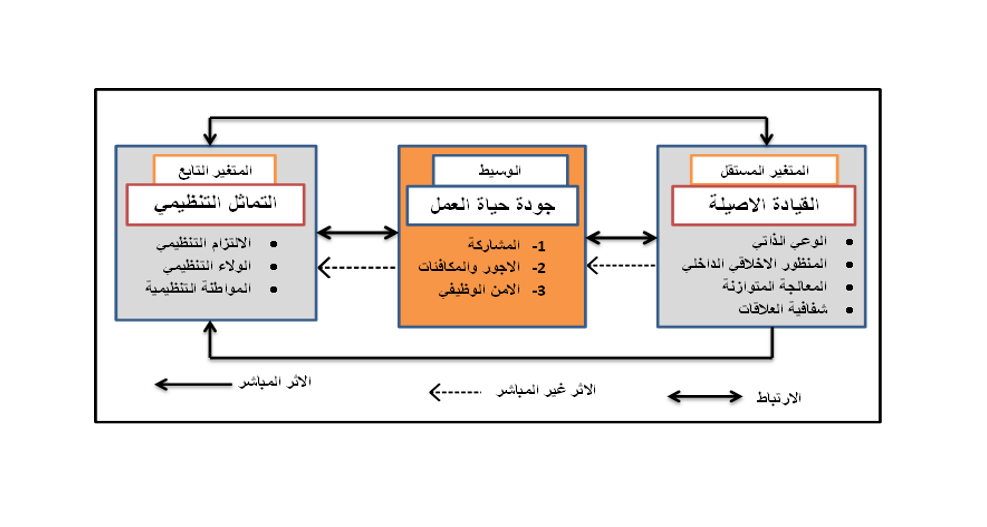
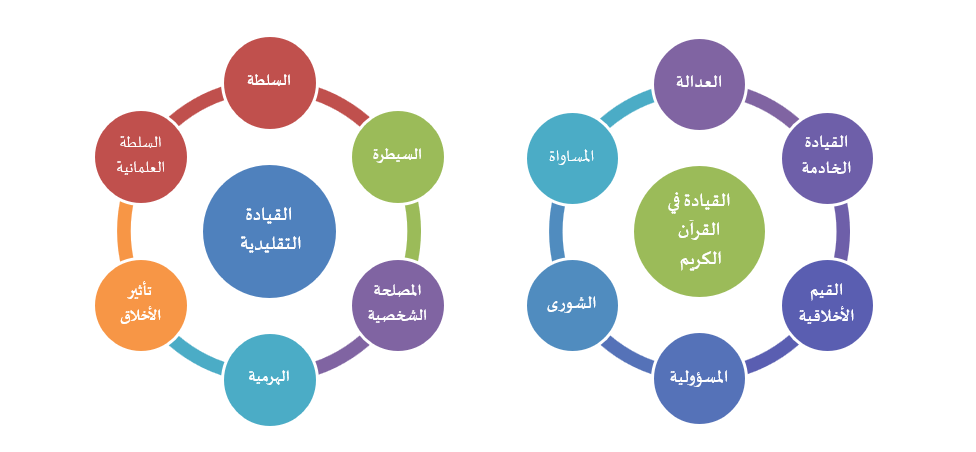
Leadership and organizational studies feature prominently with papers investigating affiliative and authentic leadership styles and their impact on organizational prosperity, employee well-being, and identification. These studies offer valuable perspectives for both scholars and practitioners aiming to enhance workplace dynamics.
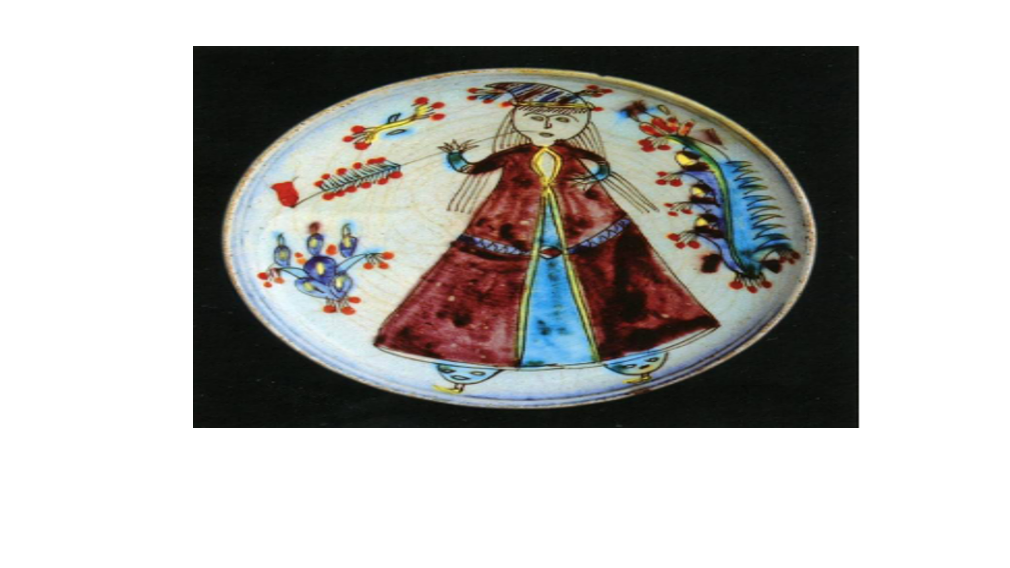
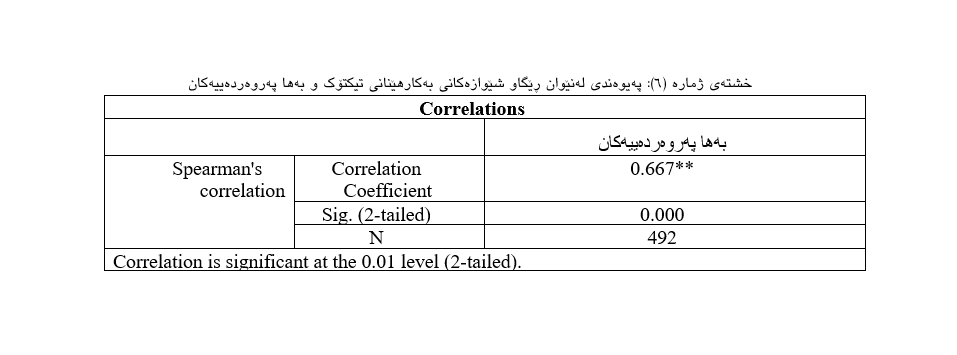
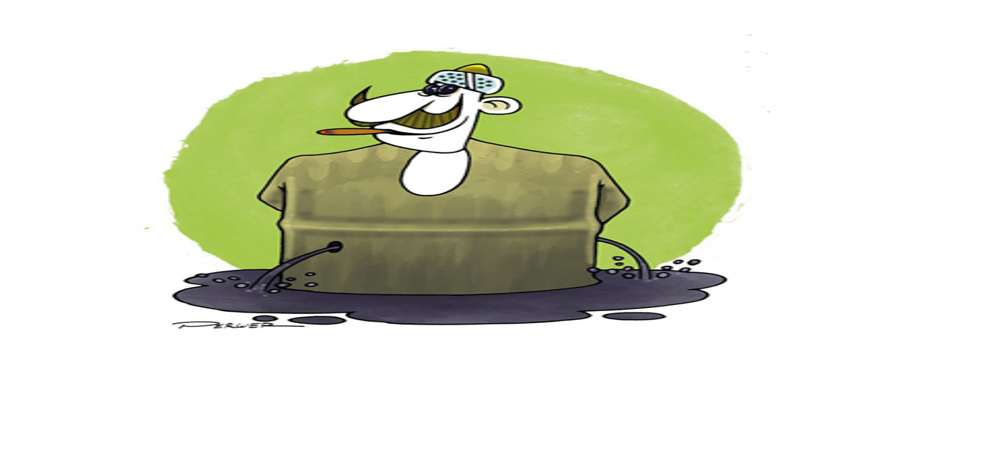
The issue also addresses contemporary educational and cultural phenomena, including the impact of TikTok influencers on educational value and the role of cartoons and caricatures in Kurdish art, highlighting the intersection of media, culture, and society.
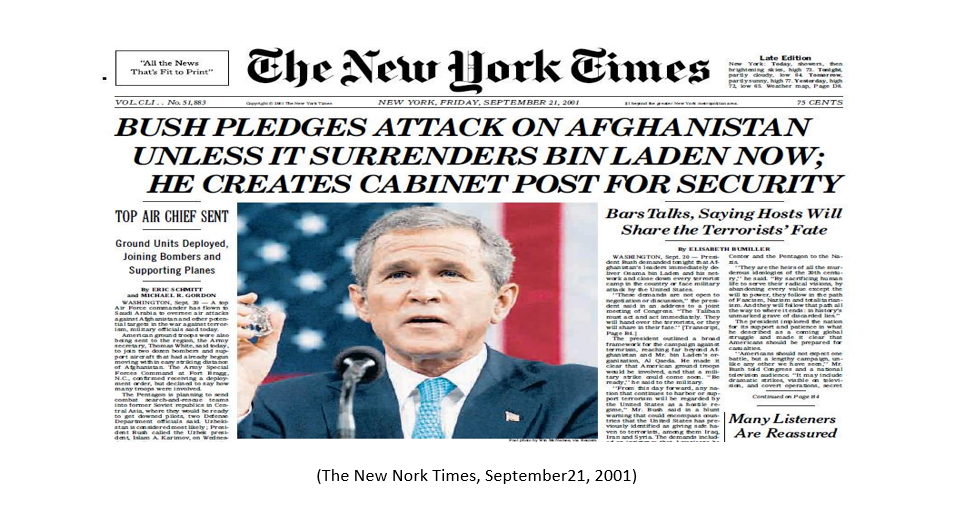
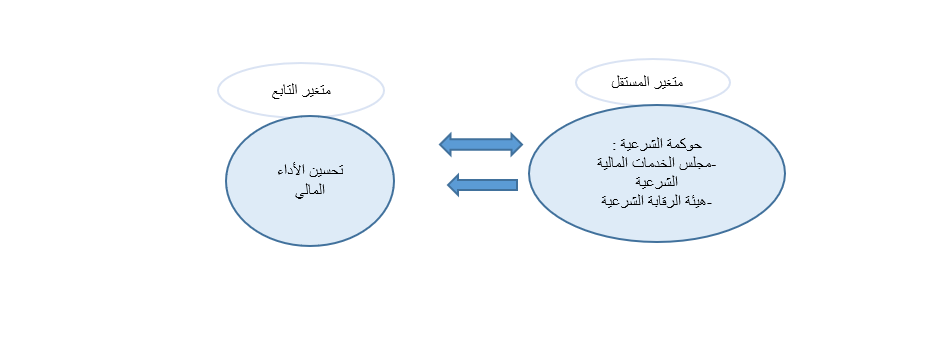
Finally, the examination of Shariah governance in Islamic banks within the Kurdistan Region and the analysis of U.S. foreign policy under President Bush towards the Middle East provide critical reflections on governance, finance, and international relations.
Together, these papers underscore the journal’s commitment to fostering interdisciplinary dialogue and advancing knowledge across human sciences. We invite readers to engage deeply with these contributions, which illuminate the complexities of human societies past and present.


|
دەربارەی پێشکەشکردن توێژینەوە و ژمارەکان رێساکان بۆ توێژەران و هەڵسەنگێنەران دەستەی سەرنوسەران -دەربارەی گۆڤار - دواهەمین ژمارە -ڕەوشتی بڵاوکردنەوە و سیاسەتی بەدڕەفتاری -ڕێبەری توێژەران -دەستەی سەرنوسەران -ئامانج -ژمارەکانى پێشوو -رێساکانی نووسەران -سووڕی بڵاوکردنەوە -پەیوەندی -پێشکەشکردن -ڕێساکانی پێداچوونەوەی هاوپسپۆڕی -پرۆسەی بلاوکردنەوە -پێڕست و پوختە -رێساکانی مافی چاپ و بلاوکردنەوە -خشتەی کاتەکانی پێداچوونەوە -تایبەتمەندی کەسیی -رێوشوێنی تایبەت بە دزی ئەدەبی -بۆ هەڵسەنگێنەران -تانە و سکاڵا -تێچووی بڵاوکردنەوە -بانگەشەی خراپ بەکارهێنان -ئاکاری مرۆیی و تایبەت بە ئاژەڵان
|