
Compensatory Vowel Lengthening of /A/ Occurs due to the Deletion of Certain Consonants according to Moraic Theory
DOI:
https://doi.org/10.21271/zjhs.29.3.2Keywords:
Compensatory lengthening, Moraic theory, Duration, Sound intensity, Sound level.Abstract
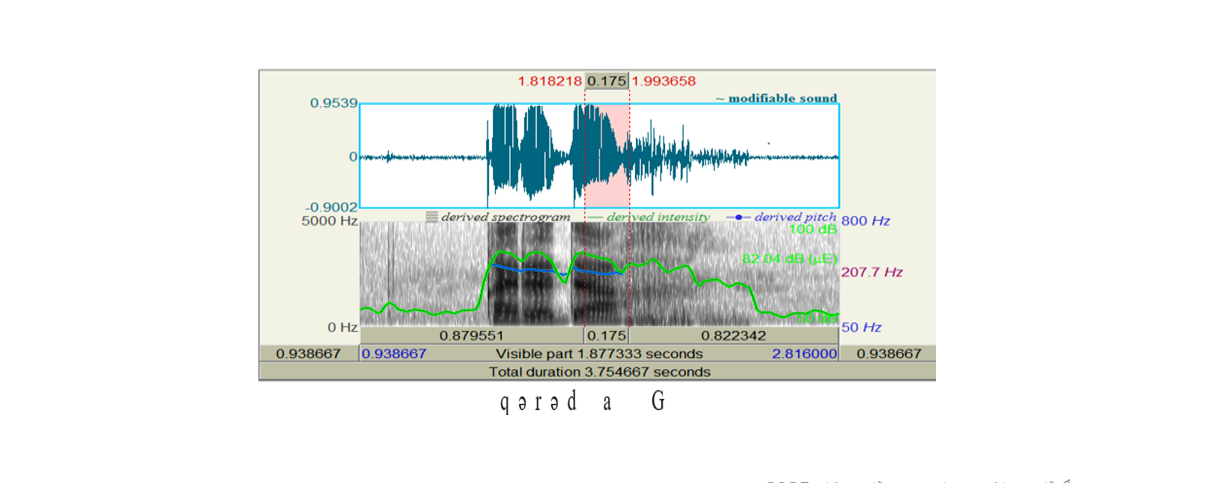
This study investigates compensatory vowel lengthening of /a/ in Kurdish within the framework of Moraic theory. For the first time, the process of compensatory lengthening of /a/ is analyzed using Moraic theory in the Kurdish language. Compensatory lengthening refers to the process of lengthening a phoneme, most often a vowel, in response to the removal or shortening of another phoneme. Essentially, a vowel is lengthened to compensate for the omission of another phoneme. Compensatory lengthening results from the reduction or shortening of an adjacent phoneme. As a result, the weight of the segment where compensatory lengthening occurs remains constant. To analyze this process, we recorded and examined words using (Praat), a program dedicated to the acoustic analysis of speech sounds. Through this program, we measured the length of the vowel /a/ in both its normal and extended states to observe the differences. This process is common in many languages. The goal of Moraic theory is to distinguish between languages that exhibit compensatory lengthening and those that do not. In addition, the mora is used to determine syllable weight and serves as a structural unit between the syllable and phoneme tiers. Phonemes can be associated with morae, which carry phonemic rhythm. Moraic theory effectively explains this process, which occurs when a unit is reduced in the phoneme tier, leaving some morae free in the moraic tier. This article demonstrates that, contrary to Hayes' (1989) claim, the result of this process is not the preservation of sentence weight but rather the preservation of word weight.
References
بەزمانی کوردی:
- ئیسماعیل، ش. ئـ.. (٢٠٢٤) گرفتە فۆنۆلۆژییەکانی زمانی ستاندارد. تێزی دکتۆرا. زانکۆی سلێمانی.
- تۆفیق، ل. م. (2012) دەربڕینی چەمکی دیاریکردن و ئاشکرانەکردنی ناو لە کوردی و چەند زمانێکی هاوگروپی خۆی و دوور لێوەی. نامەی ماستەر، زانکۆی سلیمانی- کۆلێژی زمان.
- شەریف، ش. ع. (٢٠٢٤) پێڕەوبەندی لە ئاستەکانی زمانی کوردیدا. نامەی ماستەر. زانکۆی سلێمانی.
- فەرهادی، عاتف عەبوڵلا، (2013) هەندێ لایەنی دەنگسازی شیوەزاری باڵەکایەتی لەسەر بنچینەی پرات. هەولێر. چاپخانەی حاجی هاشم.
- فەقێ ئیبراهیم، هـ . نـ . ( 2022) دەنگسازی بەرهەمهێنان لە نێوان کێشناسی و دەنگسازی کەرتە دەنگیە خودکاریەکاندا. نامەی دکتۆرا- زانکۆی ڕاپەرین.
بە زمانی فارسی:
- آرلاتو، آ. (١٣٨٣) در آمدی بر زبانشناسی تاریخی. ترجمە یحیی مدرسی. تهران. پژوهشگاه علوم انسانی و مطالعات فرهنگی.
- ثمرە، یـ . (١٣٨١) آواشناسی زبان فارسی. ویرایش دوم. چاپ هفتم. تهران. مرکز نشر دانشگاهی.
- ثباتی، ا. (١٣٩٧) تجزیه و تحلیل کشش جبرانی واکه در گونەهای کردی ایلامی با تکیه بر تحلیل مورایی. علم زبان: سال ٥، شمارة ٧، بهار و تابستان.
- درزی، ع. (١٣٧٢) کشش جبرانی مصوتها در فارسی محاورەای امروز، مجلە زبانشناسی. سال دهم. شمارە ٢.
- کامبوزیا، ع. ز. (١٣٨٥) واجشناسـی: رویکردهـای قاعـده بنیـاد. تهـران. انتشارات سمت.
بە زمانی عەرەبی:
- جبر، هـ . (1996) نضریة ألاهتزازات و ألامواج المیکانیکیة. دیوان المطبوعات الجامعیة. الجزائر.
بە زمانی ئینگلیزی:
- Anthony Fox (2000) prosodic Features and prosodic Structure, OXFORD UNIVERSTUY PRESS, United Kingdom.
- Catford, John Gunnison, (1988) A Practical Introduction to Phonetics, Oxford, Clarendon press.
- Crystal, David, (1980) A Dictionary of Linguistics and Phonetics, 3rd ed, Blackwell Publishers.
- Goldsmith, John Anton, (1990) Autosegmental and Metrical phonology, Oxford, Basil Blackwell.
- Trask, Robert Lawrence, (2015) Historical linguistics, Edited by McColl Millar, R. New York, Routledge (Third Edition).
Downloads
Published
How to Cite
Issue
Section
License
Copyright (c) 2025 Raz Aziz Ahmed , Dastan Saber Mama

This work is licensed under a Creative Commons Attribution 4.0 International License.