


Editorial
It is with great pride that we present Issue 4, Volume 29 of the Zanco Journal of Human Sciences, a testament to the journal’s enduring commitment to interdisciplinary scholarship and regional relevance. This issue features seventeen peer-reviewed articles that traverse the domains of linguistics, law, economics, environmental science, education, and sociopolitical thought—each contributing to the evolving discourse within the human sciences.
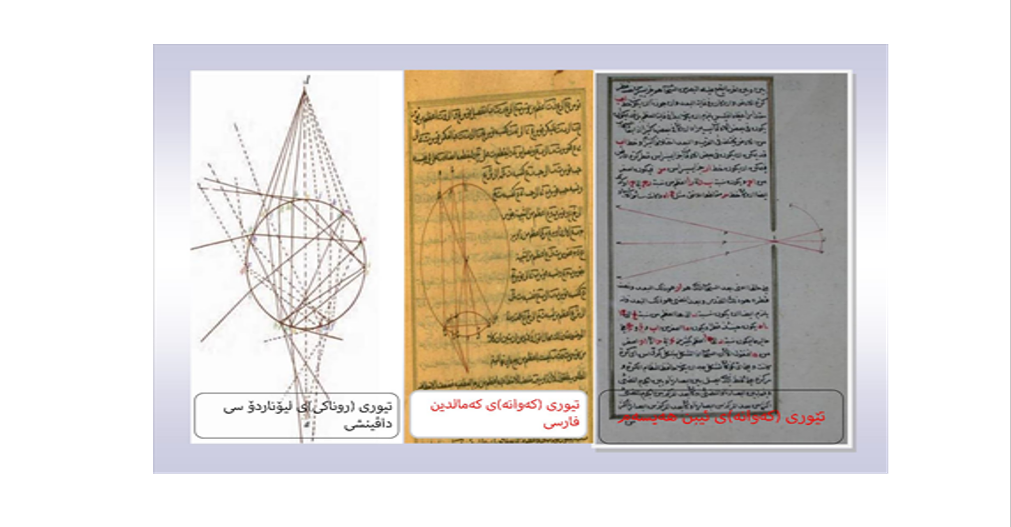
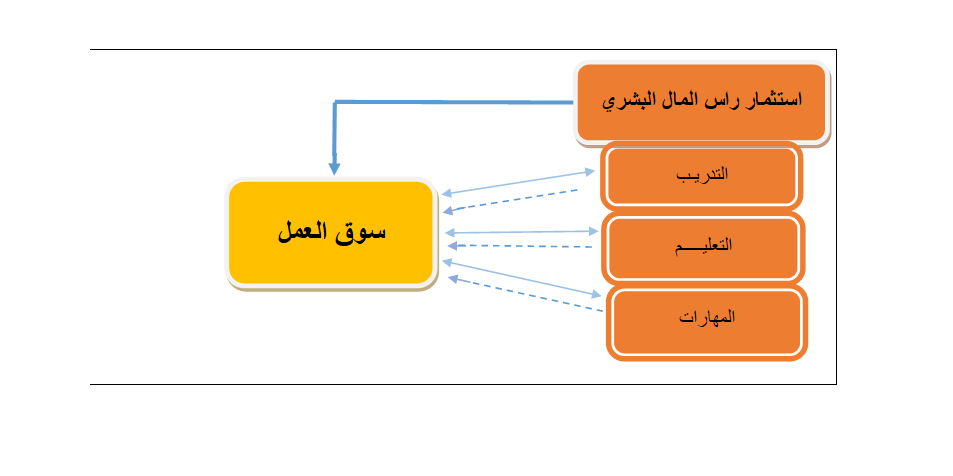
The volume opens with a comparative methodological study on George Sarton’s historiography of Islamic sciences, offering a critical lens on epistemological narratives that shaped modern scientific thought. This historical inquiry is complemented by contemporary analyses, such as the role of human capital investment in aligning higher education with labor market needs—an urgent concern for educational institutions
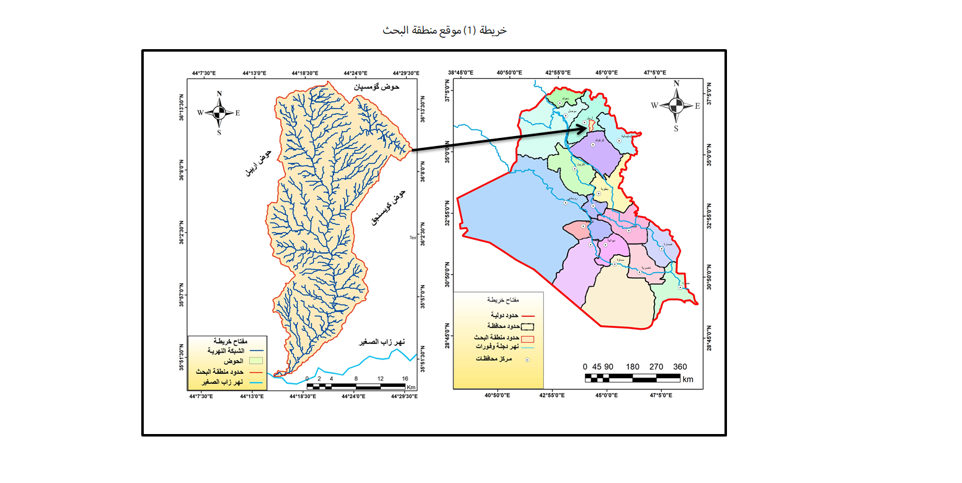
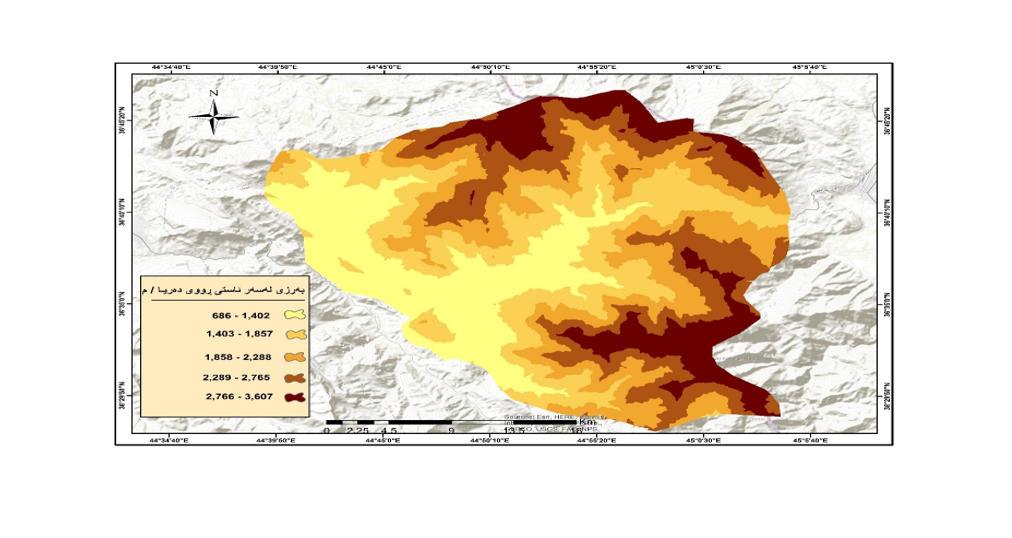
Environmental and geographical studies in this issue reflect the journal’s growing engagement with sustainability and regional development. From estimating surface runoff in the Shahlagha Basin using SCS-CN techniques to evaluating agricultural potential in Choman via the AHP model, these contributions underscore the importance of data-driven planning in Kurdistan’s ecological future.
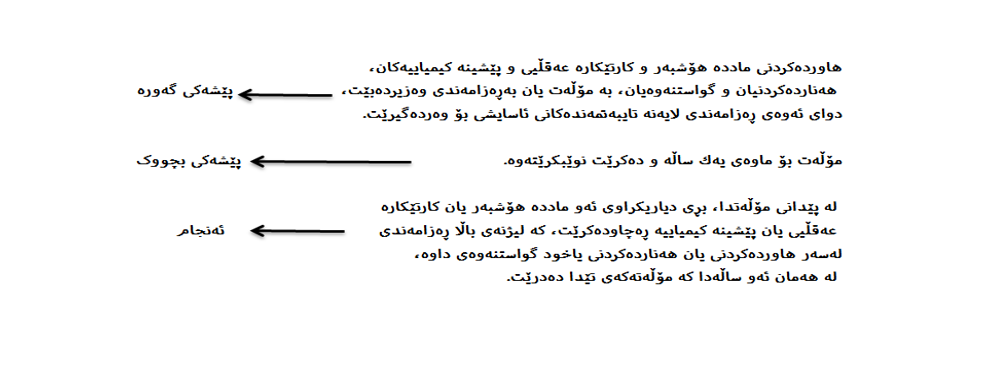
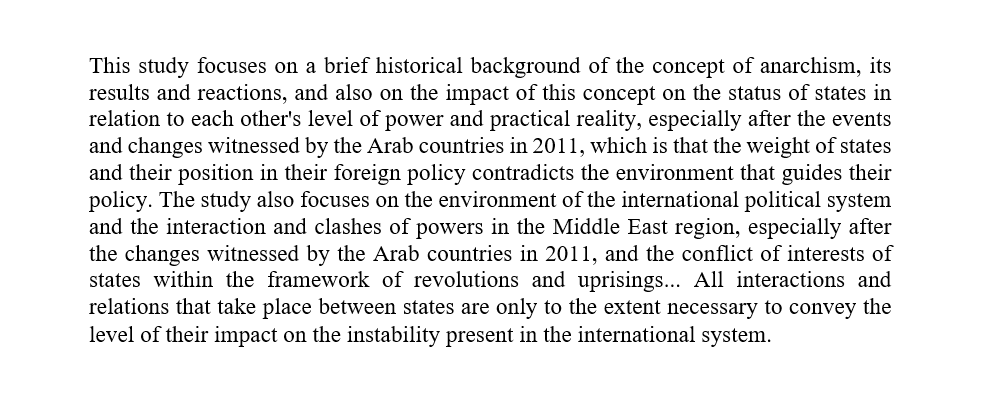
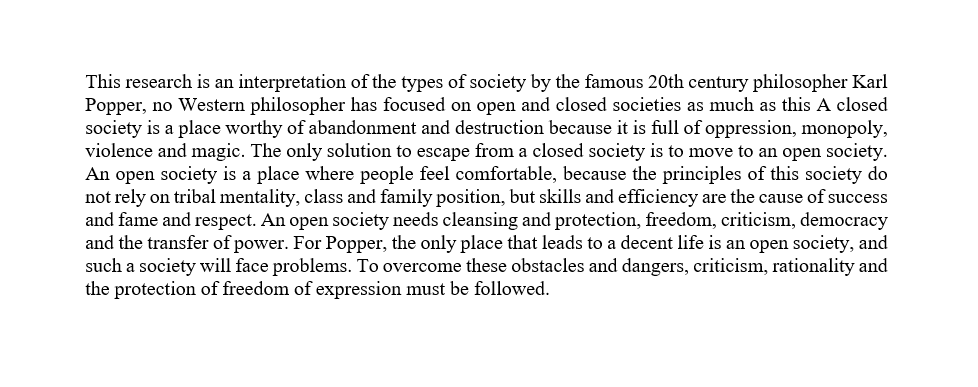
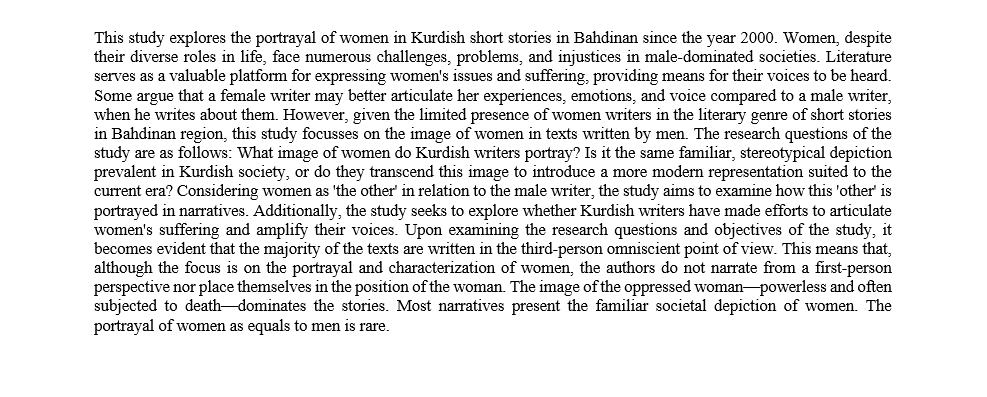
The intersection of law and society is explored through legal discourse on drug legislation and the condition of anarchism in the post-2011 Middle East, while Karl Popper’s typology of societies invites philosophical reflection on openness and reform. Linguistic studies—ranging from lexical cohesion in narrative texts to gender representation in Bahdinani short stories—highlight the cultural and ideological dimensions of language.
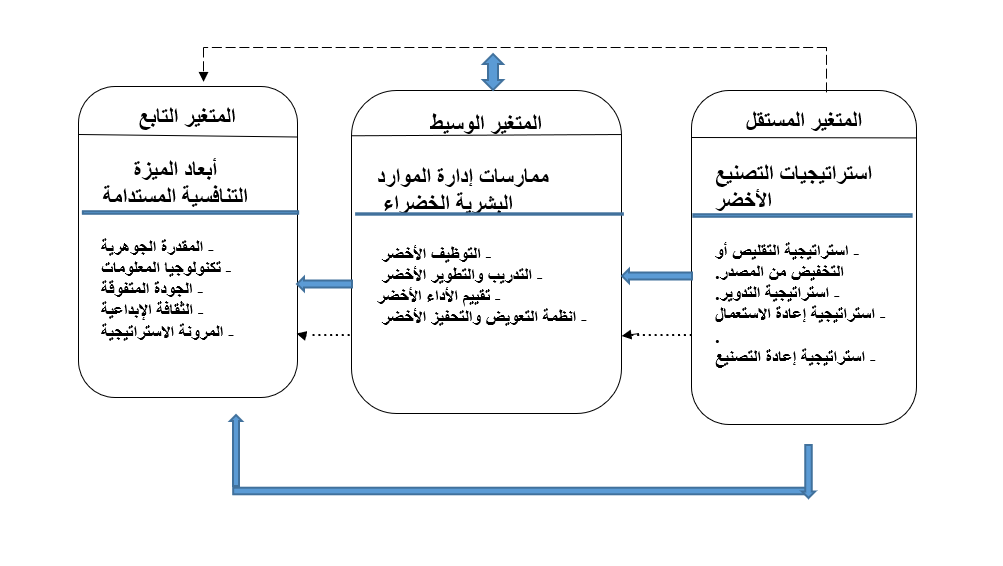
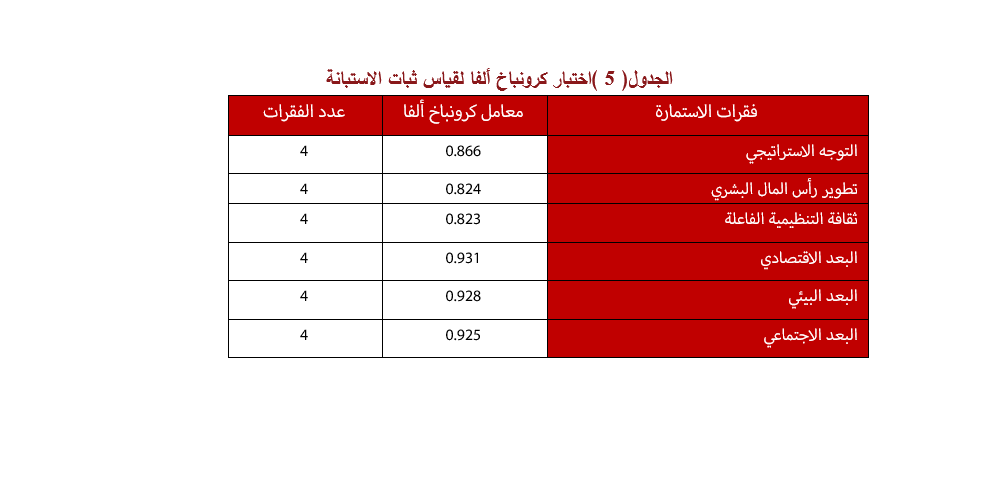
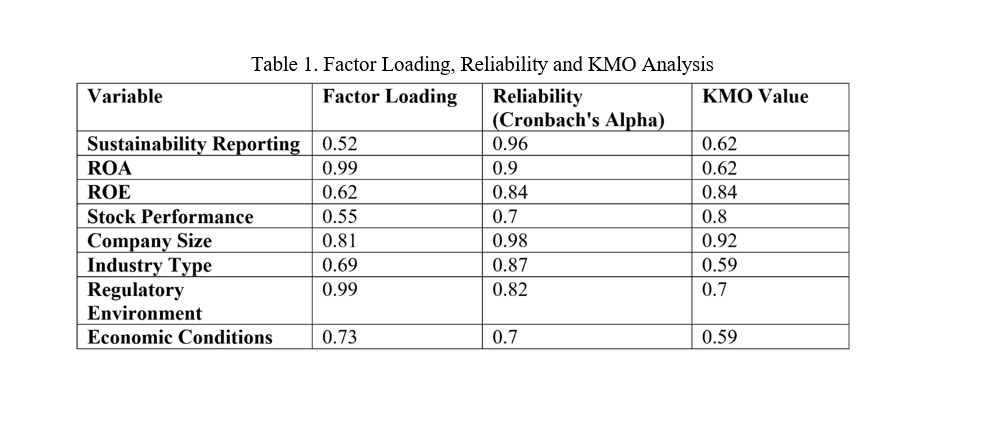
Strategic leadership and sustainability emerge as central themes in articles examining economic resilience within KRG ministries and the financial implications of sustainability reporting in Erbil’s banking sector. Meanwhile, the mediating role of green HR practices in manufacturing contexts signals a shift toward environmentally conscious governance.
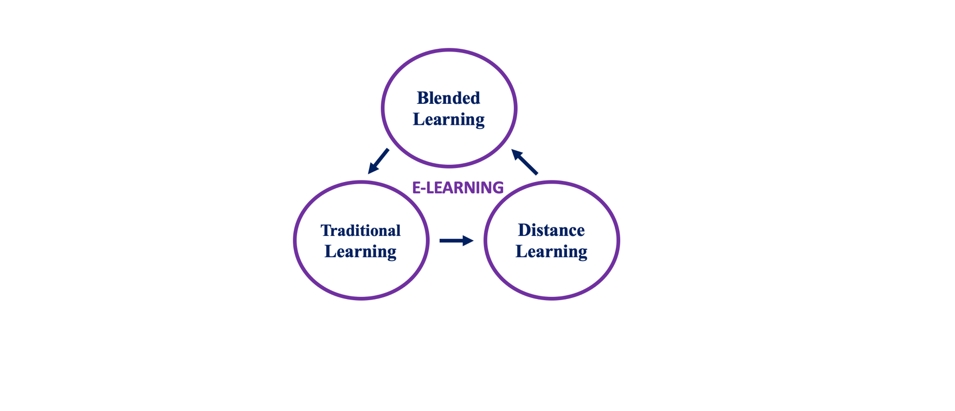
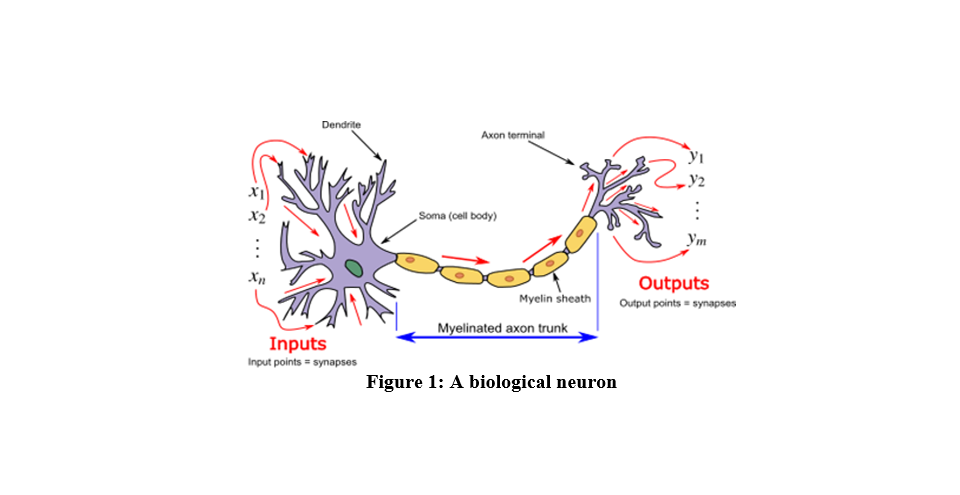
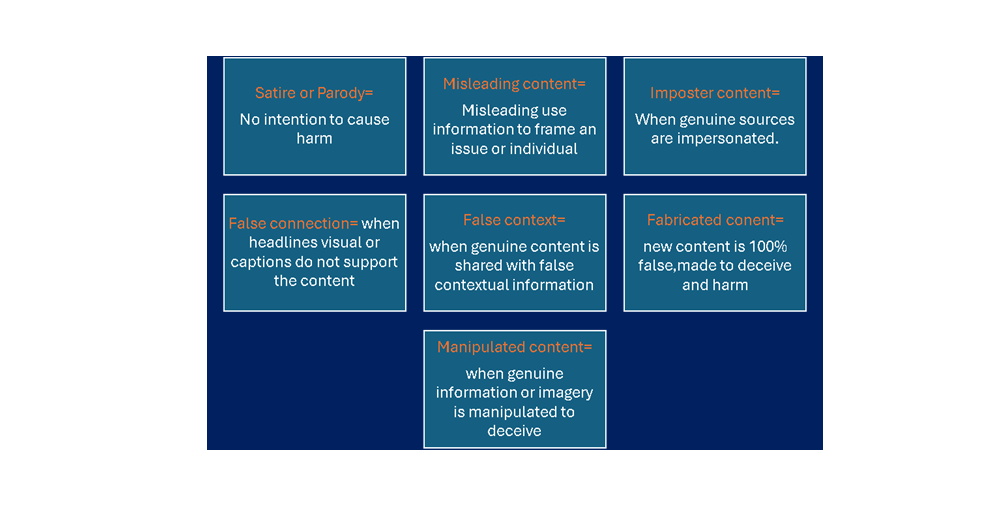
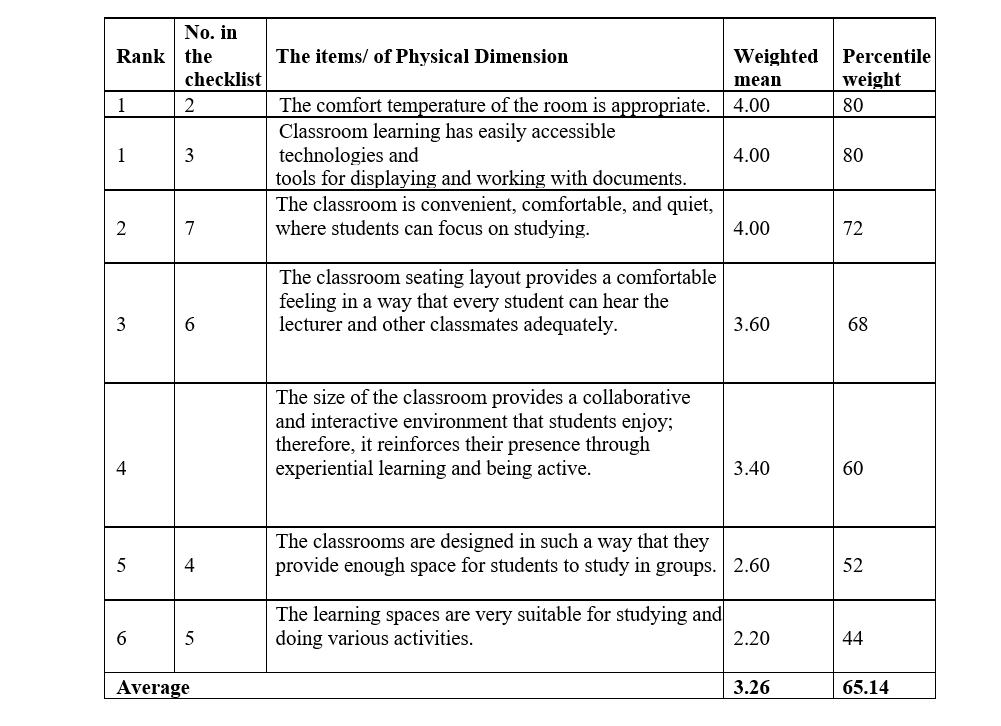
Educational research in this issue addresses e-learning motivation at Duhok University and the impact of EFL environments on academic performance, reinforcing the journal’s dedication to pedagogical innovation. Finally, contributions on artificial neural networks in HIV risk prediction, groundwater depth assessment, and social media disinformation reflect the journal’s embrace of technological and digital frontiers.
Together, these articles exemplify the journal’s mission: to foster scholarly dialogue that is both globally informed and locally grounded. We extend our gratitude to the authors, reviewers, and readers who continue to enrich this intellectual journey.