
مقارنة ودراسة نص المزامير الإضافية في مخطوطات كتاب المئويات ومخطوطة قمران 11QPsa
DOI:
https://doi.org/10.21271/zjhs.30.3.11الكلمات المفتاحية:
Psalms, Elia al-Anbari, Syriac, Hebrew, Qumranالملخص
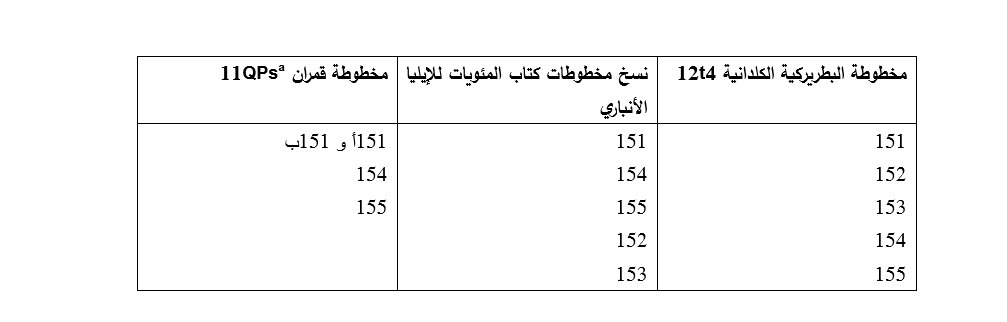
جذب كتاب المئويات لإيليا الأنباري اهتمام العديد من الدارسين منذ القرن الماضي، وذلك بعد اكتشاف مخطوطات قمران العبريّة قرب البحر الميت، ذلك أن إحدى مخطوطات قمران العبريّة المرقمة 11QPsa، تحتوي على بعض المزامير التي كانت معروفة سابقاً فقط في مخطوطات سريانية مثل المخطوطة الطقسية السُريانيّة المرقمة 12t4، وكذلك كتاب المئويات لإيليا الأنباري الذي يضم هذه المزامير الإضافية. قورنت المزامير العبريّة من المخطوطة 11QPsa مع عدد من المخطوطات السُريانيّة الموجودة في مكتبات ومتاحف مختلفة، وأُجري عليها العديد من الدراسات لبيان الاختلافات بين النصوص.
تركّز هذه الدراسة على ما يلي: أولاً، مقارنة المخطوطة السريانية الأقدم 12t4 مع المخطوطات السُريانيّة لإيليا الأنباري المحفوظة في خزانة الرهبنة الانطونيّة الهرمزديّة -المكتبة السُريانيّة (Scriptorium Syriacum) وهي O.A.O.C. 933, O.A.O.C. 932, O.A.O.C. 931، والمخطوطات السُريانيّة لإيليا الأنباري المحفوظة في مركز المخطوطات الشرقيّة الرقمي في عنكاوا Centre Numerique Manuscrits Orientaux (CNMO) وهي CCM 00408, QACCT 00108، ومقارنتها مع نتائج الدراسات السابقة لمخطوطات إيليا الأنباري خاصّة مع ما قدَّمه الباحث W. Baarsمن دراسة شاملة (Baars, 1972) حيث لم تتوفر لديه المخطوطات الموجودة في العراق. ثانيا، مقارنة المخطوطات المقدَّمة في هذه الدراسة مع نص المزامير في مخطوطة قمران العبريّة 11QPsa.
تُعد هذه الدراسة استكمالاً لما قام به الباحثون السابقون، وتظهر نتائجها إن نصوص المزامير في المخطوطات السُريانيّة لإيليا الأنباري الموجودة في العراق تتفق مع النصوص التي دُرست سابقاً من قبل الباحث W. Baar غير إن البعض من مخطوطات الأنباري الموجودة في العراق لا تحتوي على نصوص المزامير الإضافية الخمسة وأحدها تالفة ولا تتضمن إلا جزء من تلك المزامير. أما بخصوص مخطوطة 12t4 فهناك اختلافات واضحة بينها وبين مخطوطات الانباري من حيث ترتيب المزامير ومقدماتها، وبعض المفردات المستعملة. كما وأن عند مقارنة 12t4 مع مخطوطة قمران العبرية 11QPsa يتبيّن وجود تقارب ملحوظ ما يرجح وجود مصدر مشترك قد اعتمد كل من 11QPsa و 12t4.
المراجع
- الفغالي، بولس (1997)، "خمسة مزامير لم تكتب في لائحة المزامير" مجلة المشرق 1، ص 41-56.
- الكتاب المقدّس- الترجمة الكاثوليكيّة. دار المشرق، بيروت، 2012.
- Addai Scher, “Notice sur les manuscrits syriaques et arabes conserves a l’archeveche chaldeen de Diarbeker,” JA 10th ser., 10 (1907): 331–62, 385–431.
- Baars, W. (1972), ‘Apocryphal Psalms’, in The Old Testament in Syriac according to the Peshitta Version, part IV, fas. 6.
- Carbajosa, I. (2004), “11QPsa AND THE Hebrew Vorlage of the Peshitta Psalter.” AS 2 (1), pp. 3-24.
- Biblia Hebraica Stuttgartensia. A. Schenker, 1997.
- Eshel, H., & Eshel, E., 2000. “4Q448, Psalm 154 (Syriac), Sirach 48:20, and 4QpIsaa.” Journal of Biblical Literature, 119(4), pp. 645–659.
- Flint, P. W. (2000), “Variant Readings of the Dead Sea Psalms Scrolls, against the Massoretic Text and the Septuagint Psalter.” In: A. Aejmelaeus & U. Quast ed. Der Septuaginta-Psalter und seine Tochterübersetzungen. MSU XXIV; Göttingen: Vandenhoeck & Ruprecht, pp. 337-365.
- Juckel, A., (2011), “Eliya of al-Anbār (first half of the 10th cent.).” In: Brock, S. P. ed., The Gorgias Encyclopedic Dictionary of the Syriac Heritage, Piscataway, NJ: Gorgias Press, p. 142
- Mroczek, E. (2017), “The End of the Psalms in the Dead Sea Scrolls, Greek Codices, and Syriac Manuscripts.” In: Lied, L. and Lundhaug, H. ed. Snapshots of Evolving Traditions: Jewish and Christian Manuscript Culture, Textual Fluidity, and New Philology. Berlin, Boston: De Gruyter, pp. 297-322.
- Pajunen, M. (2011), “The Use of Different Aspects of the Deuteronomistic Ideology in Apocryphal Psalms.” In H. Weissenberg, J. Pakkala & M. Marttila (Ed.), Changes in Scripture: Rewriting and Interpreting Authoritative Traditions in the Second Temple Period. Berlin, New York: De Gruyter, pp. 347-368
- _____ (2021), “Psalms 151–155.” In: Oegema, Gerbern ed. Oxford Handbook of the Apocrypha. Oxford University Press, pp. 423–448
- Rahlfs, Alfred, and Robert Hanhart, eds. Biblia Graeca: Septuaginta. German Bible Society, 2013.
- Sanders, J. A. (1965), The Psalms Scroll of Qumran Cave 11 (11QPsa), Discoveries in the Judaean Desert 4. Oxford: Clarendon Press.
- Segal, M. (2002), “The Literary Development of Psalm 151: A New Look at the Septuagint Version.” Textus, 21(1), 139-158. https://doi.org/10.1163/2589255X-02101008
- Skehan, P. W. (1973), “A Liturgical Complex in 11QPsa.” CBQ 34, 195-205.
- _____ (1976), “Again, the Syriac Apocryphal Psalms.” The Catholic Biblical Quarterly 38(2), pp. 143–158. http://www.jstor.org/stable/43714169
- Strugnell, J. (1966), “Notes on the Text and Transmission of the Apocryphal Psalms 151, 154 (= Syr. II) and 155 (= Syr. III).” Harvard Theological Review, 59(3), pp. 257–281. doi:10.1017/S0017816000009767.
- Tov, E. (1992), Textual Criticism of the Hebrew Bible, Minneapolis, MN: Fortress Press.
- Van Rooy, H. F. (1993) “Psalm 155: One, Two or Three Texts?” Revue de Qumrân 61 (16), pp. 109–122.
- _____ (1995), “The Textual Traditions and Origin of The Syriac Apocryphal Psalm 152.” Journal of Northwest Semitic Languages 21 (2), pp. 93-104.
- _____ (1998), “The Marginal Notes to the Syriac Apocryphal Psalms in Manuscript 12T4.” Vetus Testamentum 48(4), 542–554.
- Yohanna, S.S. (2023), “Comparative Textual Criticism of the Peshitta of the Book of Psalms” Zanco Journal of Humanity Sciences, 27 )s6), pp. 75-92: Second Arba'ilu International Conference on Syriac and Sureth Studies (2nd AICSSS 2023). DOI: https://doi.org/10.21271/zjhs.27.s6.7
التنزيلات
منشور
كيفية الاقتباس
إصدار
القسم
الرخصة
الحقوق الفكرية (c) 2026 Luma Aphraim Khudher

هذا العمل مرخص بموجب Creative Commons Attribution 4.0 International License.