
هەڵسەنگاندنا مۆدێلا هاوس (2015) بۆ راستڤەکرنا كوالێتیا وەرگێرانا پێشەیی
##semicolon##
https://doi.org/10.21271/zjhs.30.SpB.30##semicolon##
ههلسهنگاندنا كوالیتییا وهرگێرانێ، ههلسهنگاندن، مۆدێلا هاوس.پوختە
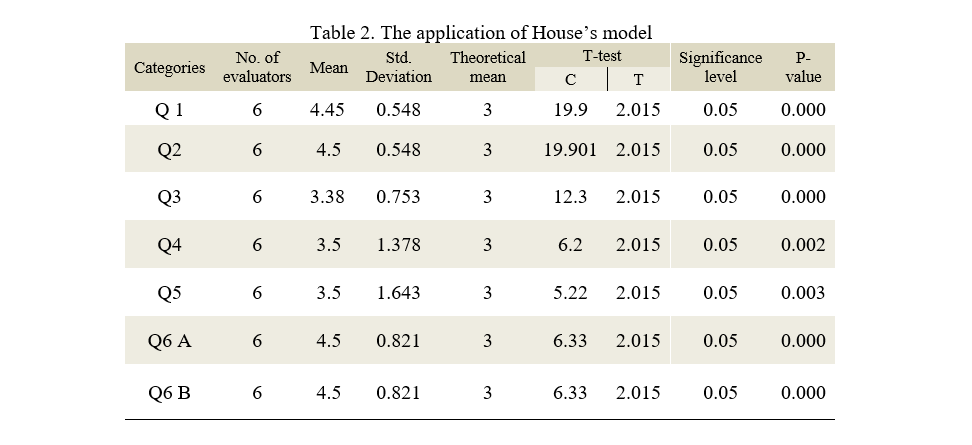
هەلسەنگاندنا کوالیتییا وەرگێرانێ تەوەرەکێ سەرەکی یە د خواندنیێن وەرگێرانێ یێن پراکتیکی دا، ژ بهر كو پشتێ ب ههلسهنگاندنا وهرگێرانان ب شێوهیهكێ سیستهماتیك ب رێكا شرۆڤهكرنا توخمێن كوالیتییا بنهرهتی، وهكی دروستی، رهوانی، زاراڤ، ستایل، و رێزمان. ئارمانجا ڤێ ڤهكولینێ خواندنا ئاستێ كاراتییا مۆدێلا هاوس (2015) برێكا دیاركرنا مفایێن و كێماسیێن وێ. لگهل وێ پێگههێ بهرچاڤ یێ كو ئهڤ مۆدێله هەیی وەك ئێك ژ كاراترین و كارتێكهرترین مۆدێل د بیاڤێ ههلسهنگاندنا كوالیتییا وهرگێرانێ دا، لێ هێشتا نهكهفتیه بهر ههلسهنگاندنهكا تێروتهسهل كو ئاستێ كاراتی و سنورێن وێ د چوارچووڤهیهكێ بهرفرهه دا ئاشكرا بكهت، ژ بهر كو بكارئینانا وێ ل دهستپێكێ بتنێ لسهر هژمارهكا سنوردار ژ دهقێن ئنگلیزی - ئهلمانی بوو یێن كو هاوس بخوه تاقیكرین. ئهڤ كێماسی د ههلسهنگاندنێ دا كهلهنهكا زانستی یا گرنگ دهێلیت كو ب ئاستێ دروستی و شیانا بكارئینانا مۆدێلی ڤه گرێدایه. میتۆدۆلۆژیا ڤهكولینێ پشت ب ههلبژارتنا شهش دهقێن ئنگلیزی یێن جوراوجور بهستیه: سێ ئهدهبی و سێ نهئهدهبی، كو ژ لایێ وهرگێرێن پسپۆر ڤه بۆ زمانێ عهرهبی هاتینه وهرگێران. ئهڤ وهرگێران لدیڤ پێڤهرێن مۆدێلا هاوس (2015) هاتینه شرۆڤهكرن ب مهرهما پشتراستبوون ژ شیانا بكارئینانا وێ لسهر جورێن دهقێن جیاواز. ههروهسا مۆدێل كهفته بهر ههلسهنگاندنهكا زێدهتر ب رێكا راپرسیهكا رێكخستی كو هژمارهكا ههلسهنگێنهرێن پسپۆر تێدا پشكداربوون. ڤهكولینێ تێكهلهیهك ژ رێبازێن چهندایهتی و چاوایهتی د شرۆڤهكرنا داتایان دا بكارئینایه. ئهنجامان دیاركر كو مۆدێلا هاوس (2015) خودان ئاستهكێ بلند یێ كاراتی و باوهرپێكرنێ یه، و ههروهسا گونجایه بۆ شرۆڤهكرنا دهقێن ئهدهبی و نهئهدهبی ژی. ههروهسا نێزیكاتیهكا تێكهل بۆ ههلسهنگاندنا كوالیتییا وهرگێرانێ پێشكێش دكهت ب رێكا لبهرچاوگرتنا رهههندێن زمانهوانی، و سیاقی، و كاری (وهزیفی)، و ههروهسا چوارچووڤهیهكێ میتۆدۆلۆژی یێ دامهزراندی دابین دكهت كو بۆ بكارئینانێ لسهر جورێن دهقێن جودا گونجای بیت.
سەرچاوەکان
- Al-Aizari, A.A.A., 2023. The application of House's (2015) translation quality assessment model to Arabic-English translation. International Journal of Linguistics and Translation Studies, 4(3), pp.139-158. available at: https://doi.org/10.36892/ijlts.v4i3.349 [Accessed: 5 April 2025].
- Alaskar, H. F., 2023. Translation quality assessment: An application of Colina’s TQA model. Unpublished master’s thesis. Imam Mohammad ibn Saud Islamic University. available at: https://www.researchgate.net/ [Accessed: 5 April 2025].
- Al-Haddad, S.H.A., 2018. Applying house’s translation quality assessment model (2015) on literary texts. مجلة جامعة الملكة أروى, 21(21), pp.22-22. available at: https://doi.org/10.58963/qausrj.v1i21.177 [Accessed: 10 April 2025].
- Al-Qinai, J., 2000. Translation quality assessment. Strategies, parameters and procedures. Meta, 45(3), pp.497-519. available at: https://doi.org/10.7202/001878ar [Accessed: 10 November 2024].
- Al-Rubaiʻi, A., 2006. Translation criticism: A model for assessing the translation of narrative fictional texts. Durham: School of Modern Languages and Cultures, University of Durham.
- Al-Ukaily, B.M.M., 2011. Translation assessment of three selected Arabic translations of William Golding’s Lord of the Flies. Unpublished master’s thesis. Al-Mustansiriyia University, Baghdad.
- Alzheimer’s Association, n.d. Alzheimer’s disease (trans. H. Abad). Translators Avenue. available at: https://www.translatorsavenue.com/alzheimers [Accessed: 15 April 2025].
- Askari, M. and Rahim, M.S., 2015. Evaluation of House's model of quality assessment. Journal of Social Sciences Research, 7(3), p.1419-1428.avalilable at: https://doi.org/10.24297/jssr.v7i3.6628 [Accessed: 15 February 2025].
- Bittner, H., 2019. Evaluating the evaluator: A novel perspective on translation quality assessment. Routledge.
- Colina, S., 2015. Fundamentals of translation. Cambridge University Press.
- Crane, T.F., n.d. The king of love (trans. M. Abdelfattah). Translators Avenue. available at: http://translatorsavenue.com/CV/Muhammad.Abdulfattah.pdf [Accessed: 5 April 2025].
- Drugan, J., 2013. Quality in professional translation: Assessment and improvement (Vol. 9). A&C Black.
- Goleman, D., 1996. Emotional intelligence: Why it can matter more than IQ. Great Britain.
- Goleman, D., 2000. الذكاء العاطفي (L. Al Gebaly, Trans.). دار العلم للملايينز (Original work published 1996).
- Halliday, M. a. K.,1978. Language as social semiotic: The social interpretation of language and meaning. Hodder Education.
- Hatim, B. and Mason, I., 1990. Discourse and the translator. Routledge.
- House, J., 1977. A model for translation quality assessment. TBL-Verlag Narr.
- House, J., 1997. Translation quality assessment: A model revisited. Gunter Narr Verlag.
- House, J., 2015. Translation quality assessment: past and present. Routledge.
- Jezhny, K.A. and Bapir, N.S.M., 2021. The assessment of university students’ knowledge on academic writing. Zanco Journal of Human Sciences, 25(1), pp.265-278.
- Kincaid, J., 1978. Girl. The New Yorker, 26 June. Available at: https://www.newyorker.com/magazine/1978/06/26/girl [Accessed: 5 April 2025].
-Kincaid, J., 2021. Girl (trans. M. Alhayek). Aljumhuriya, 28 January. Available at: https://aljumhuriya.net/ar/2021/01/28/يا-بنتي،-أو-محاولة-تعريب-أمومة-كاريبيّ/ [Accessed: 5 April 2025]. (Original work published 1978).
- Kullab, R., Daghigh, A.J. and Kadhim, K.A., 2023. The Applicability of House’s (2015) Translation Quality Assessment Model on Fiction: Evidence from Mahfouz’s Midaq Alley. Journal of Modern Languages, 33(2), pp.2-24. available at: https://doi.org/10.22452/jml.vol33no2.2
- Larose, R., 1989. Théories contemporaines de la traduction. Presses de l'Université.
- Larose, R., 1994. Qualité et efficacité en traduction: réponse à FW Sixel. Meta, 39(2), pp.362-373. available at: https://doi.org/10.7202/003405
- Larose, R., 1998. Méthodologie de l'évaluation des traductions. Meta, 43(2), pp.163-186. Available at: https://doi.org/10.7202/003410
- Larson, M. L., 1984. Meaning-based translation: A guide to cross-language equivalence. University press of America.
- Larson, M. L., 1998. Meaning-based translation: A guide to cross-language equivalence. University press of America.
- Lauscher, S., 2014. Translation quality assessment: Where can theory and practice meet?. In Evaluation and Translation (pp. 149-168). Routledge.
- Madkour, M. (2016). The application of functional linguistic models for assessing quality of translation: a descriptive analytical study. International Journal of English Linguistics, 6(6), 87-117. http://dx.doi.org/10.5539/ijel.v6n6p87
- Mason, I. and Laver, J.,2018. A Dictionary of translation and interpreting. Routledge.
- Mossop, B., 2014. Revising and editing for translators. Routledge.
- Munday, J., 2016. Introducing translation studies: Theories and applications (4th ed.). Routledge.
- Naguib, M.M., 2021. Assessing the Arabic Translation of Selected Walt Disney Bedtime Stories (2014): A Pragma-Stylistic Approach. CDELT Occasional Papers in the Development of English Education, 74(1), pp.227-258. available at: https://doi.org/10.21608/OPDE.2021.195325 [Accessed: 5 May 2025].
- Nord, C., 1991. Scopos, loyalty, and translational conventions. Target. International Journal of Translation Studies, 3(1), pp.91-109. available at: https://doi.org/10.1075/target.3.1.06nor [Accessed: 5 April 2025].
- Nord, C., 2005. Text analysis in translation: Theory, methodology, and didactic application of a model for translation-oriented text analysis. Rodopi.
- OECD, n.d. Mobile phones and internet (trans. M. Abdelfattah). Translators Avenue. Available at: https://translatorsavenue.com/article_details.php?id=43&language_id=1 [Accessed: 13 June 2025].
- Reiss, K. (2000). Translation criticism – potentials and limitations: Categories and criteria for translation quality assessment (E. Rhodes, Trans.). Routledge.
- Reiss, K., Nord, C. and Vermeer, H. J.,2014. Towards a general theory of translational action: Skopos theory explained. Routledge.
- Shakespeare, W., 1992. Hamlet (Act 3, Scene 1). In G. R. Hibbard (Ed.), The Arden Shakespeare: Hamlet (3rd ed.). Methuen. (Original work published 1600)
- Shakespeare, W., 1979. Hamlet, Prince of Denmark (J. Jabra, Trans.). Beirut: Arab Institute for Studies and Publishing. (Original work published 1992⁄1600)
- Sultan, F.M.D., 2023. The Application of Larson’s Model of Translation Quality Assessment to the Translation of Arabic Journalistic Texts into English. available at: https://doi.org/10.33899/radab.2022.135432.1667 [Accessed: 13 January 2025].
- Watson, R., 2010. Future minds: How the digital age is changing our minds, why these matters, and what we can do about it (A. Muhammad Dawwah & A. Amer, Trans.). National Center for Translation.
- Williams, M., 2004. Translation quality assessment: An argumentation-centered approach. University of Ottawa Press.
##submission.downloads##
بڵاو کرایەوە
چۆنییەتی بەکارهێنانی سەرچاوە
ژمارە
بەش
##submission.license##
##submission.copyrightStatement##
##submission.license.cc.by4.footer##