تصريف الفعل الصحيح في لهجة عنكاوا الآرامية الحديثة
DOI:
https://doi.org/10.21271/zjhs.30.SpB.25الكلمات المفتاحية:
Verb conjugation, Ankawa dialect, Consonantal verbs, Aramaic dialects.الملخص
الملخص:
تًعد لهجة عنكاوا إحدى اللهجات الآرامية الحديثة، التي لم يتناول أحد من الباحثين دراسة الفعل فيها؛ لهذا جاء هذا البحث ليتناول دراسة الفعل الصحيح (الثنائي، الثلاثي والرباعي) في هذه اللهجة. وقد اعتمدت الدراسة على المنهج الوصفي التحليلي لتحقيق اهدافها، إذ تم استخراج الأفعال من تسجيلات أجريت لمتحدثي هذه اللهجة.
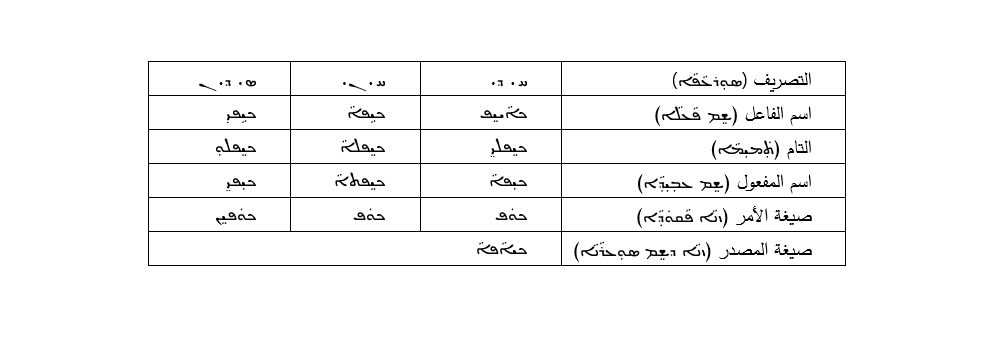
تناول المقال تصريفات الصيغ الخمس المهمّة، وهي: (اسم الفاعل، التام، اسم المفعول، صيغة الأمر، صيغة المصدر)، من خلال الأوزان الثلاثة (فعَل ܦܥܲܠ، فَعِّل ܦܲܥܸܠ، أفعِل ܐܲܦܥܸܠ)، وقد توصّل البحث إلى مجموعة من الاستنتاجات، منها على سبيل المثال: وجود الأوزان الثلاثة في هذه اللهجة، وأيضًا توافرت نماذج لكل حالة من حالات التصريفات الخمسة.
إضافة إلى الجانب الأكاديمي العلمي، تكمن أهمية هذه الدراسة في أنها وثّقت كلام كبار السن من الرجال والنساء المتحدثين بهذه اللهجة المهددة بالانقراض.
الكلمات المفتاحية: تصريف الفعل، لهجة عنكاوا، الفعل الصحيح، الآرامية.
المراجع
- حدّاد، بنيامين. 1978. بنى الرباعي واصوله في السريانية "بحث مقارن" القسم الأول: الأصالة اللغوية في بنية الرباعي السرياني العامي. مجلة مجمع اللغة السريانية. المجلد 4. بغداد.
- داود، اقليميس يوسف (المطران). 1896. اللمعة الشهية في نحو اللغة السريانية. الموصل.
- الفهداوي، يوسف خلف عبد الله (رئيس بعثة التنقيب). تقرير بعثة التنقيب في تل قصرا/ الموسم الرابع. من 6/10/2008 ولمدة ستة اسابيع. جامعة صلاح الدين/ اربيل- كلية الاداب/ قسم الاثار.
- فييه (الدومنيكي)، جان موريس. ت: نافع توسا. 2011. آشور المسيحية. الجزء الأول. بغداد- العراق.
- مقدسي، طيمثاوس إرميا. عبدالاحد، كوثر نجيب (ترجمة). 2011. قواعد اللغة السريانية. أربيل. مطبعة ميديا. الطبعة الثالثة.
- نباتي، عبدالأحد عزيز. 2000. تاريخ عينكاوه. أربيل. الطبعة الأولى.
- المصادر الأجنبية
- Askar, Kawther N.. 2014. Der jüdisch-arabische Dialekt von Arbīl und der christlich-neuaramäische Dialekt von ʿAnkāwa im Vergleich: Untersuchungen zur Phonologie und zur Morphologie des Pronomens. Masterarbeit. Heidelberg, Deutschland.
- Askar, Kawther Najeeb. 2020. Der neuaramäische Dialekt von ʾAṛmoṭa: Untersuchung zur Phonologie und Morphologie. Dissertation. Heidelberg, Deutschland.
- Jastrow, Otto. 1988. Der neuaramäische Dialekt von Hertevin (Provinz Siirt). Otto Harrassowitz. Wiesbaden.
- Jubrail, Abdul Hameed Yacoob. 1981. The Segmental Systym and Syllable Structure of The Spoken Syriac of Ainkawa. Unpublished Master’s thesis, University of Wales, Bangor.
- Khan, Geoffrey. 2008. Neo-Aramaic Dialect Studies. USA: Gorgias Press LLC.
- Khan, Geoffrey. 2008. The Neo-Aramaic Dialect of Barwar. Leiden: Koninklijke Brill NV.
- Khan, Geoffrey. 2016. The Neo-Aramaic Dialect of the Assyrian Christians of Urmi. Leiden: Koninklijke Brill NV.
- Parpola, Simo - Porter, Michael. 2001. The Helsinki Atlas of the Near East in the Neo-Assyrian Period. Finnland.
- Röllig, W. 1993-1997. "Milqia", Reallexikon der Assyriologie und Vorderasiatischen Archäologie. B. 8. Berlin, New York.
- Talay, Shabo. 2008. Die neuaratnäischen Dialekte der Khabur-Assyrer in Nordostsyrien: Einführung, Phonologie und Morphologie. Harrassowitz Verlag· Wiesbaden.
التنزيلات
منشور
كيفية الاقتباس
إصدار
القسم
الرخصة
الحقوق الفكرية (c) 2026 Andy Soulaka Slewa , Kawther Najeeb Askar

هذا العمل مرخص بموجب Creative Commons Attribution 4.0 International License.