
تحديات وفعالية التطوير المهني المستمر لأساتذة الجامعات
DOI:
https://doi.org/10.21271/zjhs.30.3.14الكلمات المفتاحية:
التطوير المهني المستمر (CPD)، ممارسات التدريس، النمو المهني، الدعم المؤسسي، الحواجز التعليميةالملخص
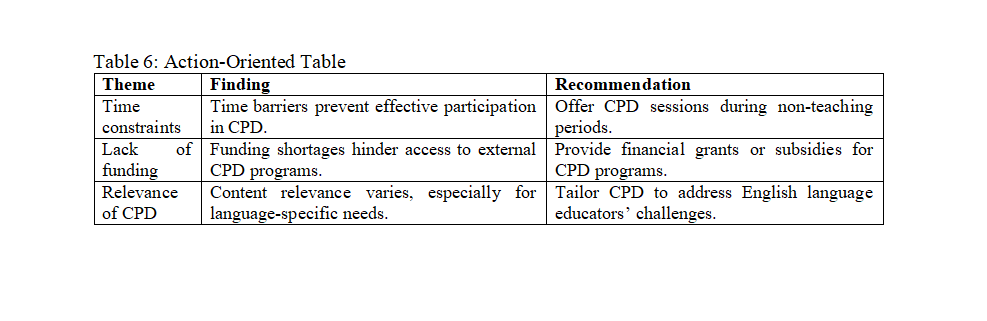
يُعد التطوير المهني المستمر (CPD) ضروريًا لتعزيز مهارات واستراتيجيات التدريس لدى مُعلّمي الجامعات. تستكشف هذه الدراسة تحديات وفعالية برامج التطوير المهني المستمر لأعضاء هيئة التدريس في قسم اللغة الإنجليزية بجامعة صلاح الدين، مع التركيز على تأثيرها على ممارسات التدريس والنمو المهني. استُخدم نهجٌ مُختلط الأساليب، يجمع بين استطلاعات رأي 77 عضوًا من أعضاء هيئة التدريس و15 مقابلةً مُعمّقة. كشفت البيانات أن قيود الوقت والقيود المالية هي العوائق الرئيسية أمام مشاركة التطوير المهني المستمر، حيث أشار 77.78% من المُستجيبين إلى تضارب المواعيد. أظهر تحليل الانحدار أن الدعم المؤسسي هو أقوى مُؤشّر لنجاح التطوير المهني المستمر (β = 0.56، p < 0.01). عزز التحليل الموضوعي من المقابلات هذه النتائج، مُؤكّدًا على الحاجة إلى تدريب مُخصّص للغة ودمج التكنولوجيا بشكل أفضل في التدريس. وتخلص الدراسة إلى أنه في حين أن برامج التطوير المهني المستمر تؤثر إيجابًا على تطوير أعضاء هيئة التدريس، إلا أن تحديات مثل قيود الوقت ونقص التمويل تُقلّل من المشاركة والتأثير. يُعدّ الدعم المؤسسي الفعال والجدولة المرنة والمحتوى المُصمّم خصيصًا عوامل حاسمة للتغلب على هذه العوائق. ومن خلال معالجة هذه العوامل، يمكن للجامعات تعزيز نتائج التطوير المهني المستمر، مما يؤدي في نهاية المطاف إلى تحسين جودة التدريس والأداء الأكاديمي في التعليم العالي.
المراجع
-Anis, M. and Khan, S. (2023) ‘Teacher professional development in the digital age: Addressing the evolving needs post-COVID’, Journal of Educational Technology & Society, 26(2), pp. 45–57.
-Bendtsen, M., Forsman, L. and Björklund, M. (2021) ‘Exploring empowering practices for teachers’ sustainable continuing professional development’, Educational Review, 73(5), pp. 620–637.
-Bragg, L.A., Walsh, C. and Heyeres, M. (2021) ‘Successful design and delivery of online professional development for teachers: A systematic review of the literature’, Computers & Education, 166, p. 104158.
-Darling-Hammond, L., Hyler, M.E. and Gardner, M. (2017) Effective teacher professional development. Palo Alto, CA: Learning Policy Institute.
-Dolighan, T. and Owen, M. (2021) ‘Teacher efficacy for online teaching during the COVID-19 pandemic’, Brock Education Journal, 30(1), pp. 95–95.
-El Islami, R.A.Z. and Prihantoro, E. (2022) ‘Trends of teacher professional development strategies: A systematic review’, Shanlax International Journal of Education, 10(2), pp. 1–8.
-Fairman, J.C., Smith, D.J., Pullen, P.C. and Lebel, S.J. (2022) ‘The challenge of keeping teacher professional development relevant’, in Leadership for Professional Learning. London: Routledge, pp. 251–263.
-Fernández-Batanero, J.M., Montenegro-Rueda, M., Fernández-Cerero, J. and García-Martínez, I. (2022) ‘Digital competences for teacher professional development: Systematic review’, European Journal of Teacher Education, 45(4), pp. 513–531.
-Gore, J. and Rosser, B. (2022) ‘Beyond content-focused professional development: Powerful professional learning through genuine learning communities across grades and subjects’, Professional Development in Education, 48(2), pp. 218–232.
-Guskey, T.R. (2020) ‘Achieving teacher professional growth through professional learning’, Journal of Educational Research and Practice, 10(1), pp. 1–15.
-Hennessy, S., D’Angelo, S., McIntyre, N., Koomar, S., Kreimeia, A., Cao, L. and Zubairi, A. (2022) ‘Technology use for teacher professional development in low- and middle-income countries: A systematic review’, Computers and Education Open, 3, p. 100080.
-Karlberg, M. and Bezzina, C. (2022) ‘The professional development needs of beginning and experienced teachers in four municipalities in Sweden’, Professional Development in Education, 48(4), pp. 624–641.
-Melnyk, N., Maksymchuk, B., Gurevych, R., Kalenskyi, A., Dovbnya, S., Groshovenko, O. and Filonenko, L. (2021) ‘The establishment and development of professional training for preschool teachers in Western European countries’, Revista Romaneasca Pentru Educatie Multidimensionala, 13(1), pp. 208–233.
-Mlambo, M., Silén, C. and McGrath, C. (2021) ‘Lifelong learning and nurses’ continuing professional development: A metasynthesis of the literature’, BMC Nursing, 20, pp. 1–13.
-Nairz-Wirth, E. and Feldmann, K. (2019) ‘Professional development activities and teacher performance’, International Journal of Learning, Teaching and Educational Research, 18(12), pp. 1–15.
-Rashov, O. (2024) ‘Modern methods of teaching foreign languages’, in International Scientific and Current Research Conferences. pp. 158–164.
-Sancar, R., Atal, D. and Deryakulu, D. (2021) ‘A new framework for teachers’ professional development’, Teaching and Teacher Education, 101, p. 103305.
-Smith, C. and Gillespie, M. (2023) ‘Research on professional development and teacher change: Implications for adult basic education’, in Review of Adult Learning and Literacy. Volume 7. London: Routledge, pp. 205–244.
التنزيلات
منشور
كيفية الاقتباس
إصدار
القسم
الرخصة
الحقوق الفكرية (c) 2026 Reka Husamaddin Yasin, Rezhna Ibrahim Ali

هذا العمل مرخص بموجب Creative Commons Attribution 4.0 International License.