
ڕۆڵی ڕەفتاری ستراتیژی لە دروستکردنی ژینگەیەکی ئەمنی سەقامگیر لە ڕێگەی بیرکردنەوەی ستراتیژی
##semicolon##
https://doi.org/10.21271/zjhs.29.SpC.2##semicolon##
وشەی سەرەکی: ڕەفتاری ستراتیژی، بیرکردنەوەی ستراتیژی، ژینگەی ئەمنی سەقامگیر.پوختە
پوختە
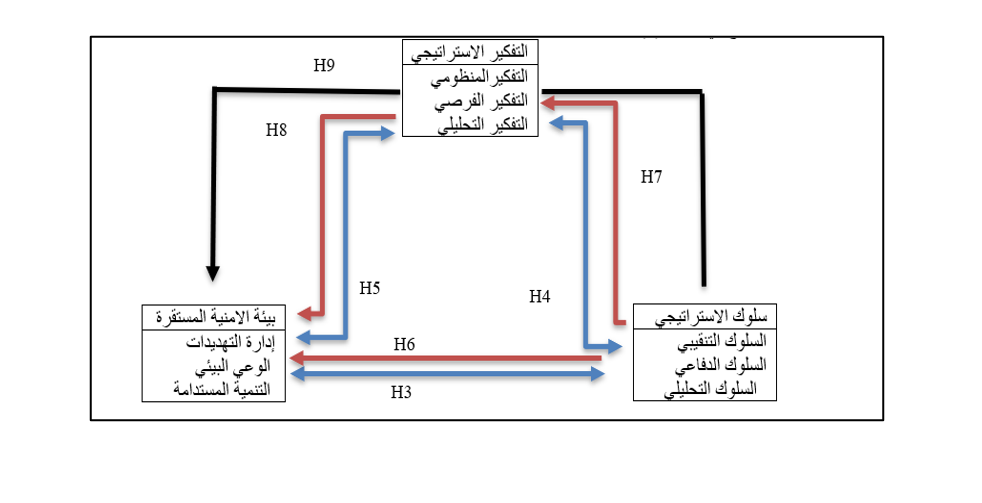
ئەم توێژینەوەیە ئامانجی شیکردنەوەی ڕۆڵی ڕەفتاری ستراتیژییە لە دروستکردنی ژینگەیەکی ئەمنی سەقامگیردا لە ڕێگەی بیرکردنەوەی ستراتیژییەوە. هەروەها ئامانجیەتی پەیوەندی نێوان ڕەفتاری ستراتیژی (ڕەهەندەکانی گەڕان و بەرگری و شیکاری) و ژینگەیەکی ئەمنی سەقامگیر (بەڕێوەبردنی هەڕەشە، هۆشیاری ژینگەیی و گەشەپێدانی بەردەوام) دەستنیشان بکات، بە بەکارهێنانی بیرکردنەوەی ستراتیژی وەک گۆڕاوێکی دەستێوەردانکار. توێژینەوەکە لە بەڕێوەبەرایەتی پۆلیسی هەولێر ئەنجامدراوە، بە بەکارهێنانی پرسیارنامەیەک کە بەسەر نموونەی 139 سەرکردە دابەشکراوە.
ڕەفتاری ستراتیژی یەکێکە لەو ئامرازە سەرەکیانەی کە بەشدارە لە بڕیاردانی خێرا و کاریگەر لە بەرامبەر گۆڕانی تەحەددیاتەکاندا، یارمەتی دامەزراوە ئەمنییەکان دەدات بۆ بەدەستهێنانی ژینگەیەکی سەقامگیری ئاسایشی ناوخۆ. هەروەها بیرکردنەوەی ستراتیژی بەشدارە لە بەرزکردنەوەی توانای پێشبینیکردنی گۆڕاوە ژینگەییە جیاوازەکان، ئەمەش یارمەتی سەرکردە ئەمنییەکان دەدات بڕیاری ئاگادارانە بدەن لەسەر بنەمای شیکارییەکی وردی ژینگەی دەوروبەر.
توێژینەوەکە پشتی بە ڕێبازێکی شیکاری وەسفکەر بەستووە بە بەکارهێنانی پرسیارنامە، و داتاکان بە بەکارهێنانی SPSS شیکرانەوە. ئەنجامەکان کاریگەرییەکی بەرچاوی ڕەفتاری ستراتیژی لە پێشخستنی ژینگەیەکی ئەمنی سەقامگیردا نیشان دا، و بیرکردنەوەی ستراتیژی ڕۆڵێکی گرنگ دەگێڕێت وەک گۆڕاوێکی دەستێوەردان لە نێوان ڕەفتاری ستراتیژی و ژینگەیەکی ئەمنی سەقامگیر. توێژینەوەکە پێشنیاری باشترکردنی بەرنامەکانی ڕاهێنانی سەرکردایەتی و پەرەپێدان لە دامەزراوە ئەمنییەکان دەکات بۆ پەرەپێدانی بیرکردنەوەی ستراتیژی و لێهاتوویی ڕەفتار، بەمەش بەشداری دەکات لە بەرزکردنەوەی ئاسایشی دامەزراوەکان و بەدەستهێنانی ژینگەیەکی ئەمنی سەقامگیر. هەروەها داوای تەرخانکردنی سەرچاوەی زیاتر دەکات بۆ پشتگیریکردن لە ستراتیژییە نەرم و نیان و کاریگەرەکان کە هاوسەنگ بن لەگەڵ گۆڕانکارییە خێراکانی ژینگەی ئەمنی.
وشەی سەرەکی: ڕەفتاری ستراتیژی، بیرکردنەوەی ستراتیژی، ژینگەی ئەمنی سەقامگیر.
سەرچاوەکان
ولا: المصادر العربية
- بجاي، حيدر، ومحمد، منار. (2021). إدارة السلوك الاستراتيجي في مواجهة التحديات التنافسية. مجلة الكوفة للعلوم الإدارية والاقتصادية، 13(2).
- حمدان، عبد الله محمود. (2019). التفكير الاستراتيجي في المنظمات الأمنية. مجلة دراسات العلوم الإدارية، 46(1).
- الخطيب، أحمد عبد الله. (2021). الأمن المجتمعي وأثره في تعزيز الاستقرار السياسي. مجلة دراسات أمنية، 7(2).
- العلي، يوسف جاسم. (2020). أثر الاستقرار الأمني في جذب الاستثمارات الأجنبية. المجلة العراقية للتنمية الاقتصادية، 12(3).
- الفتلاوي، نزار حسن، وآخرون. (2021). تأثير السلوك الاستجابي في الأداء الاستراتيجي. مجلة تكريت للعلوم الإدارية والاقتصادية، 17(55).
ثانيا: المصادر الاجنبية
Al-Qadu, S., & Others, 2007. Strategic behavior represents the core axis that determines the strategic direction of institutions, linking the achievement of organizational goals and vision to the type of strategic behavior adopted by management.
Anderson, P., & Geckil, A., 2016. Strategic behavior contributes to refining managerial skills and developing behaviors through information analysis and decision-making for the organization's future, enhancing its ability to adapt to internal and external environmental changes.
Ansoff, H. I. (1987). Corporate strategy: An analytic approach to business policy for growth and expansion. McGraw-Hill.
Ansoff, H.I., 1987. Strategic behavior involves formulating appropriate policies and activities that enable an organization to adapt to the environment it operates in.
Benito, G., De la Fuente, J., & García, M., 2011. The cognitive and emotional interaction of managers within organizations to guide strategic decisions and achieve satisfactory results.
Boin, A., Ekengren, M., & Rhinard, M. (2020). The European Union as Crisis Manager: Patterns and Prospects. Cambridge University Press.
Brundtland, G. H. (1987). Our Common Future. World Commission on Environment and Development. Oxford University Press.
Casagrande, R., Mendes, L., & Correa, S., 2019. Strategic behavior adds significant value to organizations by enabling them to adapt to market changes, set long-term plans, and achieve their objectives.
Hughes, R. L., & Beatty, K. C. (2005). Becoming a strategic leader: Your role in your organization’s enduring success. San Francisco: Jossey-Bass.
Hussein, M., & Hafedh, S., 2020. Strategic behavior is the main driver of strategic decisions, achieving harmony between different interests within and outside the organization, and enhancing cooperation among individuals within the organization, thus improving overall performance efficiency.
IISS – International Institute for Strategic Studies. (2020). Global Strategic Trends: Security and Cooperation. London: IISS Publications.
Ingram, P., Yue, L., & Xiang, L., 2016. Strategic behavior as the basis for organizations to align their operations with changing work environments.
Ireland, R.D. & Hitt, M.A., 2005. Achieving and Maintaining Strategic Competitiveness in the 21st Century. Strategic Management Review, 69(2).
Javanmard, M., 2015. Strategic behavior acts as a guiding compass for employees, directing them toward achieving organizational goals in a manner consistent with the organization’s strategy.
Kazemi, M., Sharifi, H., & Ahmadi, M., 2017. A guiding compass that contributes to aligning employee actions with organizational goals, enhancing environmental adaptation and helping achieve superior performance.
Khalaf, A., & Hamed, R., 2022. Exploratory behavior reflects an organization’s focus on innovation and continuous exploration of new opportunities in the market.
Kinyuira, M., 2016. Strategic behavior as one of the foundations for achieving superior performance in organizations.
Mahboub, K., & Others, 2019. A series of decisions made within the industrial structure to increase profits and achieve organizational goals using available resources in a changing environment.
Martins, E., Johnson, M., & Tsai, A., 2014. Strategic Behavior and Organizational Performance. Journal of Business Research, 60(5), pp. 123-135.
Martins, M., Costa, A., & Sousa, C., 2014. A set of behaviors and actions adopted by managers to deal with internal and external conditions with the aim of improving institutional performance.
Miles, R. E., & Snow, C. C. (1978). Organizational strategy, structure, and process. McGraw-Hill.
Miles, R.E., & Snow, C.C., 1978. A set of adaptive patterns adopted by organizations to align with their competitive environments by addressing entrepreneurial, engineering, and managerial issues.
Mintzberg, H., Ahlstrand, B. W., & Lampel, J. (2005). Strategy Safari: A Guided Tour Through the Wilds of Strategic Management. New York: Free Press.
Mohamed, S., & Ibrahim, A., 2017. Strategic behavior heavily relies on strategic leaders who possess the leadership abilities to understand their followers and articulate strategic goals clearly and sincerely.
Muheimid, M., & Dhiab, H., 2021. Defensive behavior revolves around protecting existing markets and improving operational efficiency, focusing on stable environments with strict organizational structures.
NATO – North Atlantic Treaty Organization. (2021). Strategic Security Framework: Innovation and Resilience. Brussels: NATO.
Nikolova, N., & Neycheva, I., 2014. A series of actions aimed at influencing the market environment and competition to achieve long-term competitive advantage.
OECD – Organisation for Economic Co-operation and Development. (2020). Public Trust and Safety Indicators. Paris: OECD Publishing.
Reis, M., Oliveira, D., & Martins, R., 2000. Strategic behavior is the outcome of relationships between individuals within organizations, where network relationships significantly influence individual actions and strategic directions.
Sa, N., & Oliveira, G., 2021. Analytical behavior is a strategic mix that balances innovation and maintaining market stability, demonstrating flexibility in operations and taking advantage of new opportunities.
Senge, Peter M. (2006). The Fifth Discipline: The Art and Practice of the Learning Organization. New York: Doubleday.
Shah, R., 2019. A comprehensive long-term action plan aimed at achieving organizational goals through dynamic interaction with the working environment.
Shah, S. Z. A. (2019). Strategic behavior and organizational adaptability: A dynamic capabilities approach. International Journal of Organizational Analysis, 27(4).
Shirokova, G., Makarova, E., & Pavlova, T., 2022. Entrepreneurial practices reflecting proactivity and innovation within the market, enhancing the organization’s financial performance and securing competitive advantage.
Slater, S. F., Olson, E. M., & Hult, G. T. M. (2007). Strategic behavior, competitive intensity, and performance. Journal of Strategic Marketing, 15(4), 249–269.
Slater, S.F., Olson, E.M., & Hult, G.T.M., 2007. Strategic behavior helps in understanding complex work environments by directing managerial efforts toward distinct market forces, thus enhancing the organization’s competitive advantage and proactive movements compared to competitors.
UNDP – United Nations Development Programme. (2020). Sustainable Development and Inclusive Security. New York: UNDP.
UNESCO. (2018). Education for Security and Peace: A Guidebook. Paris: UNESCO.
UNODC – United Nations Office on Drugs and Crime. (2019). Rule of Law and Security Sector Reform. Vienna: UNODC Publications.
Xiying, L., & Shiping, L. (2013). Strategic behavior and sustainability: Designing and implementing effective strategy in turbulent markets. China-USA Business Review, 12(3).
##submission.downloads##
بڵاو کرایەوە
چۆنییەتی بەکارهێنانی سەرچاوە
ژمارە
بەش
##submission.license##
##submission.copyrightStatement##
##submission.license.cc.by4.footer##