
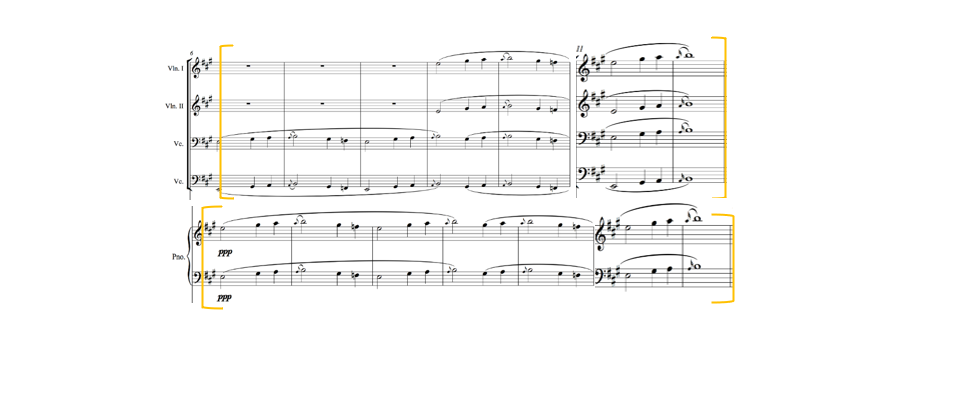
This research explores the role of music in expressing the suffering of the Kurdish people due to the genocide they have faced throughout history, particularly during the Anfal operations of the 1980s, which led to the destruction of hundreds of Kurdish villages and the extermination of the Kurdish population in various ways. This includes the confinement of tens of thousands of its residents in detention centers overseen by the Iraqi army. The genocide did not cease there; it manifested in other forms and locations, including the massacre of the Yazidis in Shingal in 2014. Its effects have mirrored the realities of society, becoming a subject of concern for all segments of the cultural and artistic community. This has led specialists in the field of musical composition to examine and utilize it as a means of expressing collective pain, focusing on emotional and psychological content as a style in musical compositions, with themes that reflect this reality. The current research is focused on: " Variations in Kurdish music: Genocide as an example." The researchers have selected a musical composition for analysis, specifically pertaining to Kurdish music created after these events. This aims to understand how these experiences have been documented and how these works reflect the resilience of the Kurdish people and their culture in the face of genocide, the effects of which continue to be felt by individuals across Kurdistan. This music serves as a historical and social testament within international law. The musical composition acts as a tribute to those who were wrongfully lost, ensuring their memories remain prominent throughout history.
##semicolon##
https://doi.org/10.21271/zjhs.29.5.3##semicolon##
وشە سەرەكییەكان: جۆراوجۆری ئاواز، دانراوی موزیکی، جینۆساید.پوختە
پوخته
ئەم توێژينەوەيە باس لە ڕۆڵی موزیک لە دەربڕینی ئەندێشە و ئازارەکانی خەڵکی کوردستان دەکات، لە ئەنجامی ئەو نەهامەتييانەی کە بە درێژایی مێژوو بەرۆکی میللەتەکەمانی گرتووە، بەتایبەتی ئۆپەراسیۆنەکانی ئەنفال کە لە هەشتاکانی سەدەی ڕابردوودا ئەنجام درا، بووە هۆی وێرانبوونی سەدان گوندی کوردستان و لەناوبردنی مرۆڤی کورد بەجۆرەها شێواز. وەک وێنەی ئەو دەیان هەزار دانیشتووانەی کوردستان کەڕاگوازرانەوە بۆ شوێنەکانی تری عێراق و ناوەندەکانی دەستبەسەرکردن کە لەلایەن سوپای عێراقەوە سەرپەرشتی دەکران، بەمانەشەوە نەوەستان، بەڵکو شێوازی دیکەیان گرتەبەر، وەک قڕکردنی ئێزیدییەکان لە شنگال ساڵی ٢٠١٤. کاریگەریي ئەو ڕووداوانە ڕەنگدانەوەی زۆری هەبوو لەسەر واقیعی کۆمەڵگە، بووبە بابەتی نیگەرانی هەموو چین و توێژەکانی کۆمەڵگە، بەتايبەتی ڕۆشنبیران و هونەرمەندان. ئەمەش وایکرد پسپۆڕانی بواری موزيک لە ڕووی ناوەڕۆکی سۆزداری و دەروونییەوە گرنگی پێبدەن، وەک ئامرازێک بەکاری بهێنن لەناو دانراوە موزيکييەکانياندا، لەو بوارەشدا بابەتگەلێک هەن کە ئەو واقیعە وەبیر دێننەوە. بۆ ئەو مەبەستەش ئەم لێکۆڵینەوەيە بەو ناونيشانە دیاری کرا: (جۆراوجۆری ئاواز لە دانراوی موزیکی کوردی: جینۆساید وەک نموونە). توێژەران بەرهەمی دانەرێکی موزيکييان دياريکرد بۆ شيکردنەوە کە دانراوە موزيکييەکەی پەیوەستە بەو ڕووداوانە، بەمەبەستی ئەوەی تێبگەین کە ئەم ئەزموونانە چۆن دۆکیۆمێنت کراون و چۆن ئەو بەرهەمانە ڕەنگدانەوەی چەقبەستوویی گەلی کورد و کولتوورەکەیان لە بەرامبەر جینۆسایددا نيشان دەدات، کە تا ئێستاش کاریگەرییەکانی لە دەروونی هەر تاکێکی کورددا دیارە ئەگەر لە هەرشوێنێکی ئەم جيهانە بن، هەروەها وەک بەڵگەیەک و شایەتحاڵێکی مێژوویی و کۆمەڵایەتی بێت لە چوارچێوەی یاسای نێودەوڵەتیدا. ئەو دانراوە موزيکييانە وەک ڕێزلێنانێک دادەنرێت بۆ ئەو کەسانەی کە بە ناڕەوا بەجێیان هێشتین و یادەوەرییان بە درێژایی مێژوو لەناخماندا بە زيندوویی دەمێنێتەوە.
سەرچاوەکان
به زمانی کوردی:
- عمر ڤیان؛ نارین سادق، (٢٠٢٣): کوردۆلۆجی جینۆساید، زانکۆی پۆلیتەکنیکی هەولێر.
- سلێمان، تەها، (٢٠١٧): جینۆساید لەباشووری کوردستان: ڕابوردوو، ئێستا و ئایندە، لێکەوت و کاریگەریی و ئەرکەکان، گۆڤاری زانکۆی گەرمیان، ژمارە (٧٧).
زمانی عربی:
- حامد، أحمد أسامة؛ علي، عبد العزيز رمضان، (٢٠٢٤): جريمة الإبادة الجماعية"الإيزيديين نموذجا"، مجلة الرافدين للحقوق، المجلد ٢٤، العدد ٨٦.
- حسن، جنار نامق؛ زين الدين، محمد جياد، (٢٠٢٣): اطر التغطية الاعلامية المعتمدة في موقع الجزيرة تجاه الإبادة الجماعية للأقليات الدينية في العراق، مجلة آداب الفراهيدي، جامعة تكريت، عدد (٥).
- درويش، رامي، (2019): التوزيع الموسيقي، الهيئة العامة السورية للكتاب، دمشق.
- عواطف عبدالکريم، (٢٠٠٠): معجم الموسيقی، الهيئة العامة للشؤون المطابع، القاهرة.
به زمانی ئینگلیزی:
- Baumann, M. P. (2000). The local and the global: Traditional musical instruments and modernization. the world of music, 121-144.
- Feldman, W. (2017). The Art of Melodic Extension within and beyond the Usul. Rhythmic Cycles and Structures in the Art Music of the Middle East.
- Fisher, A., & Gilboa, A. (2016). The roles of music amongst musician Holocaust survivors before, during, and after the Holocaust. Psychology of Music, 44(6), 1221-1239.
- Gjuka, B. (2023). Intercultural Musical Creation Drawing on the Theory and Practice of Turkish Models.
- Human Rights Watch. (1993). Genocide in Iraq: The Anfal Campaign Against the Kurds. New York.
- Parncutt, R. (2014). The emotional connotations of major versus minor tonality: One or more origins? Musicae Scientiae, 18(3), 324-353.
- Pitic, B. (2017). The Sound of Genocide: Music, Memory, and Commemoration in Postwar Bosnia. University of California, Los Angeles.
- Roth, J. (2005). Genocide and human rights: A philosophical guide. Springer.
- Stone, Dan (2005) Raphael Lemkin on the Holocaust. Journal of Genocide Research. Vol 7, No 4, pp 539-550.
##submission.downloads##
بڵاو کرایەوە
چۆنییەتی بەکارهێنانی سەرچاوە
ژمارە
بەش
##submission.license##
##submission.copyrightStatement##
##submission.license.cc.by4.footer##