
This research explores the role of music in expressing the suffering of the Kurdish people due to the genocide they have faced throughout history, particularly during the Anfal operations of the 1980s, which led to the destruction of hundreds of Kurdish villages and the extermination of the Kurdish population in various ways. This includes the confinement of tens of thousands of its residents in detention centers overseen by the Iraqi army. The genocide did not cease there; it manifested in other forms and locations, including the massacre of the Yazidis in Shingal in 2014. Its effects have mirrored the realities of society, becoming a subject of concern for all segments of the cultural and artistic community. This has led specialists in the field of musical composition to examine and utilize it as a means of expressing collective pain, focusing on emotional and psychological content as a style in musical compositions, with themes that reflect this reality. The current research is focused on: " Variations in Kurdish music: Genocide as an example." The researchers have selected a musical composition for analysis, specifically pertaining to Kurdish music created after these events. This aims to understand how these experiences have been documented and how these works reflect the resilience of the Kurdish people and their culture in the face of genocide, the effects of which continue to be felt by individuals across Kurdistan. This music serves as a historical and social testament within international law. The musical composition acts as a tribute to those who were wrongfully lost, ensuring their memories remain prominent throughout history.
DOI:
https://doi.org/10.21271/zjhs.29.5.3الكلمات المفتاحية:
الكلمات المفتاحية: التنوع اللحني، التأليف الموسيقى، الإبادة الجماعية.الملخص
ملخص
هذا البحث يناقش دور الموسيقى في التعبير عن أفكار وآلام شعب كردستان نتيجة المصاعب التي حلت بها عبر التاريخ، وخاصة عمليات الأنفال التي جرت في الثمانينيات، والتي أدت إلى تدمير مئات القرى في كردستان وعمليات الإبادة الجماعية بطرق مختلفة. مثال على ذلك نقل عشرات الآلاف من سكان كردستان إلى أجزاء أخرى من العراق ومراكز الاحتجاز التي كان يديرها الجيش العراقي، لم يتوقفوا عند هذا الحد، بل تبنوا أساليب أخرى، مثل إبادة اليزيديين في سنجار عام ٢٠١٤، كان تأثير هذه الأحداث مصدر قلق على واقع جميع شرائح المجتمع، خاصة المثقفين والفنانين. وقد دفع ذلك الخبراء في مجال الموسيقى إلى الاهتمام بمحتواها العاطفي والنفسي، واستخدامه كأداة فنية في مؤلفاتهم الموسيقية، وهناك العديد من الموضوعات في هذا المجال التي تذكرهم بهذا الواقع. لهذا السبب تم إختيار هذا العنوان (ڤارييشن في مؤلفات الموسيقى الکردية: الإبادة الجماعية نموذجا).
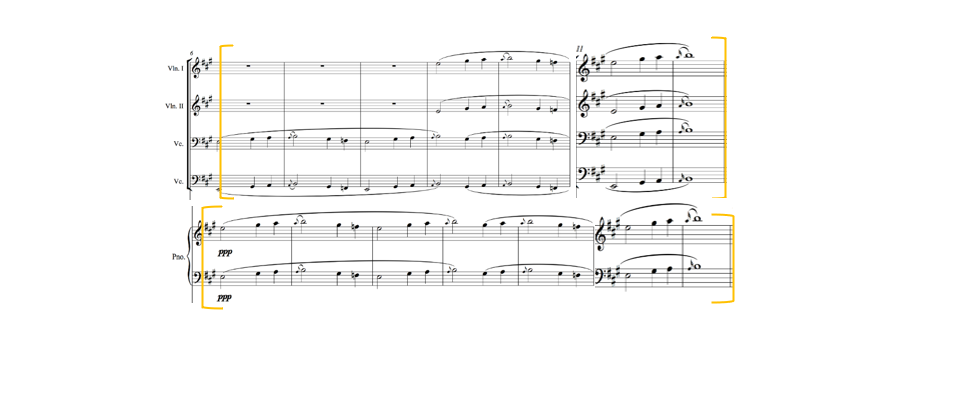
استخدم الباحثان مؤلفاً موسيقياً لتحليل موسيقاه التي كان مرتبطا بتلك الأحداث. من أجل فهم كيفية توثيق تلك التجارب وكيف تعكس هذه الإنتاجات صمود الشعب الكردي وثقافته في مواجهة الإبادة الجماعية التي لا تزال آثارها مرئية في نفسية كل فرد كردي، بغض النظر عن مكان وجوده في العالم، وكشاهد تاريخي واجتماعي في سياق القانون الدولي.
إن هذه الأعمال تعتبر تكريما لأولئك الذين تركونا ظلما وستظل ذكراهم حيا في أعماقنا ولن تزول أبدا.
المراجع
به زمانی کوردی:
- عمر ڤیان؛ نارین سادق، (٢٠٢٣): کوردۆلۆجی جینۆساید، زانکۆی پۆلیتەکنیکی هەولێر.
- سلێمان، تەها، (٢٠١٧): جینۆساید لەباشووری کوردستان: ڕابوردوو، ئێستا و ئایندە، لێکەوت و کاریگەریی و ئەرکەکان، گۆڤاری زانکۆی گەرمیان، ژمارە (٧٧).
زمانی عربی:
- حامد، أحمد أسامة؛ علي، عبد العزيز رمضان، (٢٠٢٤): جريمة الإبادة الجماعية"الإيزيديين نموذجا"، مجلة الرافدين للحقوق، المجلد ٢٤، العدد ٨٦.
- حسن، جنار نامق؛ زين الدين، محمد جياد، (٢٠٢٣): اطر التغطية الاعلامية المعتمدة في موقع الجزيرة تجاه الإبادة الجماعية للأقليات الدينية في العراق، مجلة آداب الفراهيدي، جامعة تكريت، عدد (٥).
- درويش، رامي، (2019): التوزيع الموسيقي، الهيئة العامة السورية للكتاب، دمشق.
- عواطف عبدالکريم، (٢٠٠٠): معجم الموسيقی، الهيئة العامة للشؤون المطابع، القاهرة.
به زمانی ئینگلیزی:
- Baumann, M. P. (2000). The local and the global: Traditional musical instruments and modernization. the world of music, 121-144.
- Feldman, W. (2017). The Art of Melodic Extension within and beyond the Usul. Rhythmic Cycles and Structures in the Art Music of the Middle East.
- Fisher, A., & Gilboa, A. (2016). The roles of music amongst musician Holocaust survivors before, during, and after the Holocaust. Psychology of Music, 44(6), 1221-1239.
- Gjuka, B. (2023). Intercultural Musical Creation Drawing on the Theory and Practice of Turkish Models.
- Human Rights Watch. (1993). Genocide in Iraq: The Anfal Campaign Against the Kurds. New York.
- Parncutt, R. (2014). The emotional connotations of major versus minor tonality: One or more origins? Musicae Scientiae, 18(3), 324-353.
- Pitic, B. (2017). The Sound of Genocide: Music, Memory, and Commemoration in Postwar Bosnia. University of California, Los Angeles.
- Roth, J. (2005). Genocide and human rights: A philosophical guide. Springer.
- Stone, Dan (2005) Raphael Lemkin on the Holocaust. Journal of Genocide Research. Vol 7, No 4, pp 539-550.
التنزيلات
منشور
كيفية الاقتباس
إصدار
القسم
الرخصة
الحقوق الفكرية (c) 2025 Seerwan Mohammed Mustafa , Ary kadir Mohammed

هذا العمل مرخص بموجب Creative Commons Attribution 4.0 International License.