
The Role of Applying Shariah Governance in Improving the Financial Performance of Islamic Banks - A Survey Study of the Opinions of a Sample of Employees in Islamic Bank Administrations and Auditors in The Kurdistan Region – Iraq
DOI:
https://doi.org/10.21271/zjhs.29.3.7Keywords:
Shariah governance, Shariah financial services council, Shariah supervisory bodies, financial performance, auditor.Abstract
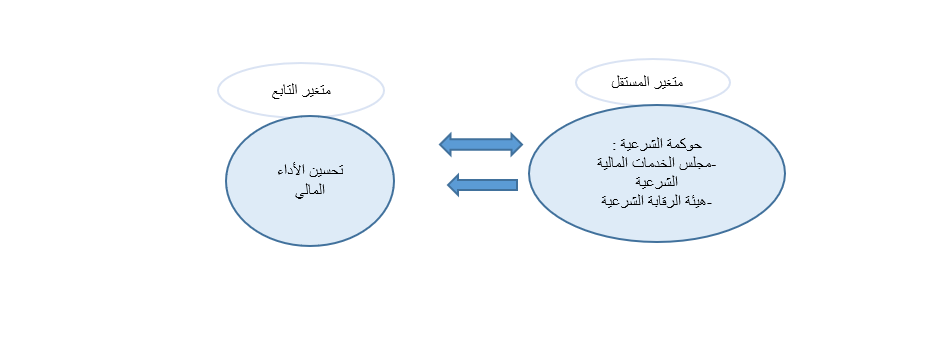
The research aims to demonstrate the role of applying Shariah governance in improving the financial performance of Islamic banks. The importance of the research highlights the importance of applying Shariah governance as a basis for ensuring transparency and protecting the interests of stakeholders in Islamic banks. To achieve the research objective, the researchers relied on primary sources, namely the design of the questionnaire, which was designed based on previous studies and the theoretical aspect of the research. The questionnaire consists of two parts. The first part includes paragraphs aimed at identifying the characteristics of the research sample, and the second part includes (22) paragraphs that were used to collect data in order to test hypotheses and answer questions related to the research problem. The research sample members amounted to (49) individuals, including (24) employees in Islamic bank departments, (15) auditors, and (10) Chatered accountants in audit offices and companies. After analyzing the data using the statistical program (SPSS) and testing the research hypotheses, a set of results was reached, the most important of which are: A positive correlation was found between the independent variable Shariah governance through the dimension (Shariah Financial Services Board and Shariah Supervisory Boards) and the dependent variable financial performance, and the value of the correlation coefficient between them was (.639**), (.678**) respectively. This means that the application of Shariah governance leads to improving the financial performance in Islamic banks. In light of the research results, the researchers recommend a number of recommendations, the most important of which are: the necessity for Islamic banks to adopt the principles of Shariah governance and its approved standards, which enable them to manage the process of financial innovation.
References
أولاً: المجلات العلمية
- بصول ، مدحت ماجد و عبدالغني ، يوسف هاني ، (2018) ، "الأداء المالي للمصارف في ظل الأزمة الاقتصادية العالمية" ، مجلة العلوم الاقتصادية والإدارية والقانونية المجلد 2، العدد 15.
- 2بوهراوة، سعيد و حليمة بوكروشة. (2015). "حوكمة المؤسسات المالية الاسلامية": تجربة البنك المركزي الماليزي. المجلة الاقتصادية للتنمية الاقتصادية، العدد ،02 ، 106.
- شرفي ، عمر أنس ، (2016) ، "حوكمة الشركات في المصارف الإسلامية"، مجلة الاقتصاد الإسلامي، العدد 50.
- 4عايدة ، خلالف و بلقاسم ،بلقاضي، (2022) ، “دور الحوكمة الشرعية في المؤسسات المالية الإسلامية في تحقيق التنمية الاقتصادية والاجتماعية”، مجلة دراسات في المالية الإسلامية والتنمية ، المجلد 3 ، العدد 2.
- عساج ، مروان محمد واخرون ، (2023) ،"دور تكنولوجيا المعلومات في تحسين الأداء المالي للمنظمة"، المجلة الدولية لنشر البحوث والدراسات، المجلد 4، عدد 48.
- محمد، (2018) ، "دور الحوكمة الشرعية في تطوير المؤسسات المالية الإسلامية"، مجلة ملفات الأبحاث في الإقتصاد و التسيير ، المجلد (7 ) ، العدد 1, ص: 136.
ثانياُ:رسائل وأطاريح الجامعية
- 1آية ، كفايفية و يسرى، سليماني، (2021) ،"دور القوائم المالية في تحسين الأداء المالي بمؤسسة"، رسالة الماجستير ،جامعة 8 ماي 1945.
- 2بريش، عبد القادر ، (2006) ، "التحرير المصرفي و متطلبات تطوير الخدمات المصرفية و زيادة القدرة التنافسية للبنوك الجزائرية" ، أطروحة دكتوراه،جامعة الجزائر،ص238 .
- البشير ، زبيدي ، (2011) ،"دور التقارير المالية في تحسين الأداء المالي للمؤسسة"، رسالة الماجستير ، جامعة سعد دحلب البليدة.
- الحسين ، دغيش محمد ، (2016) ،"دور تكنولوجيا المعلومات في تحسين الأداء المالي للمؤسسة"، رسالة الماجستير ، جامعة محمد خيضر.
- الزبيدي ، آمنة صبري كريم ، (2016) ،"تقييم كفاءة أداء المصارف الإسلامية العراقية"، رسالة الماجستير ، جامعة كربلاء.
ثالثاً: البحوث المشاركة في المؤتمرات:
- اسامة ، ثامر ، (2022) ،"المصارف الاسلامية ودورها في تمويل التنمية المحلية"، بحوث مؤتمر ، https://www.researchgate.net/publication/360562468_almsarf_alaslamyt_wdwrha_fy_tmwyl_altnmyt_almhlyt
- أبو غدة ، عبد الستار، (2002) ، التنسيق بين الهيئات الشرعية والحاجة إلى إصدار معايير شرعية ، ورقة مقدمة للمؤتمر الثاني للهيئات الشرعية للمؤسسات المالية الإسلامية، هيئة المحاسبة والمراجعة للمؤسسات المالية الإسلامية، المنامة.
- أبو هربيد، عاطف محمد ، (2013) ،" الحوكمة في المؤسسات المالية اسلامية ودور هيئات الرقابة الشرعية في تعزيزها"، كتاب المؤتمر الثالث للعلوم المالية والمصرفية حول حاكمية الشركات والمسؤولية الاجتماعية-تجربة اسواق الناشئة،- جامعة اليرموك،اردن .
English Reasons:
First-Journals:
- Alazmi, W.K.J. and Sharofiddin, A., )2020(The Impact of Governance Corporate Standards on Enhancing Disclosure and Transparency in Kuwaiti Islamic Banks. International Journal of Al-Turath In Islamic Wealth and Finance, Vol1 , No 2, pp.114-146
- Affes , W., and Jarboui ,A.,) 2022 (, “The impact of corporate governance on financial performance: a cross-sector study”, International Journal of Disclosure and Governance , No 20 ,P:374-394
- Fatmawati, D., Ariffin, N.M., Abidin, N.H.Z. and Osman, A.Z., 2022. Shariah governance in Islamic banks: Practices, practitioners and praxis. Global Finance Journal, 51 .
- Puspitasari, N., Jururi, S., Hidayat, S. E. ,(2023),”Effects of Internal Finance, Islamic Governance and Islamic Corporate Responsibility on Profitability: Evidence of Islamic Banking in Indonesia”, INTERNATIONAL JOURNAL OF PROFESSIONAL BUSINESS REVIEW, Vol 8, No 1.
- Wibowo , D. , (2022) ,”Analysis of the Effect of Islamic Corporate Governance on the Financial Performance of Islamic Banking in Indonesia”, Jurnal Ilmiah Ekonomi Islam, Vol 8, No 3.
- Zaher,T.,S., and Hassan ,M.,K.,2001, “A Comparative Literature Survey of Islamic Finance and Banking”, Financial Markets, Institutions & Instruments / Vol 10, no 4 p. 155-199.
Second- Books:
- Bellalah, M. , (2014) ," On Islamic Banking, Performance and Financial Innovations", first ed., cambridge scholars publishing, newcastle upon tyne,UK.
- Iqbal, M., and Molyneux, P.,2005," Thirty Years of Islamic Banking : History, Performance and Prospects" Court Road, London, British .
Third-Conference and working paper:
- Bahari, N.F. and Baharudin, N.A., 2016. Shariah Governance Framework : The Roles of Shariah Review and Shariah Auditing. In Proceeding of the 3rd International Conference on Management & Muamalah .
- Imam ,P., A., and kpodar ,K., (2010) ,”Islamic Banking : How Has it Diffused?” , International Monetary Fund , working paper :https://www.researchgate.net/publication/228122831_Islamic_Banking_How_Has_it_Diffused
- Kayadibi, S., & Güçlü, F. (2021). Shariah Governance for Islamic Financial Institutions in theContext of Malaysia. In Ş. Karabulut (Ed.), Theoretical and Empirical Perspectives on Economicand Financial Issues (pp. 629-649). Gazi Kitabevi. (PDF) Shariah Governance for Islamic Financial Institutions in the Context of Malaysia. Available from :https://www.researchgate.net/publication/353923852_Shariah_Governance_for_Islamic_Financial_Institutions_in_the_Context_of_Malaysia
- Naceur ,S. ,Barajas, Barajas A., and Massara, A.,2015,"Can Islamic Banking Increase Financial Inclusion?", IMF Working Paper, International Monetary Fund
- Octavia ,L. , Surpeno , Farihah ,D. , 2023,”Company Value Viewed From The Effect of Islamic Corporate Governance and Islamic Social Reporting with Financial Performance As Variable Moderating”, Proceeding of 1sª International Conference on Islamic Economics, Islamic Banking, Zakah and Waqf 2023.
Downloads
Published
How to Cite
Issue
Section
License
Copyright (c) 2025 Barzan Hasan Ahmad , Blesa Nawzad kakarash

This work is licensed under a Creative Commons Attribution 4.0 International License.