
The Reflection of Revolutionary Realism in both Novels "the Horsemen Smuggled the Bride" and "the Canal of Armed Monkeys" by Karwan Omar Kakasur
DOI:
https://doi.org/10.21271/zjhs.29.SpB.10Keywords:
Realism, Revolutionary Movement, Karwan Kakasur.Abstract
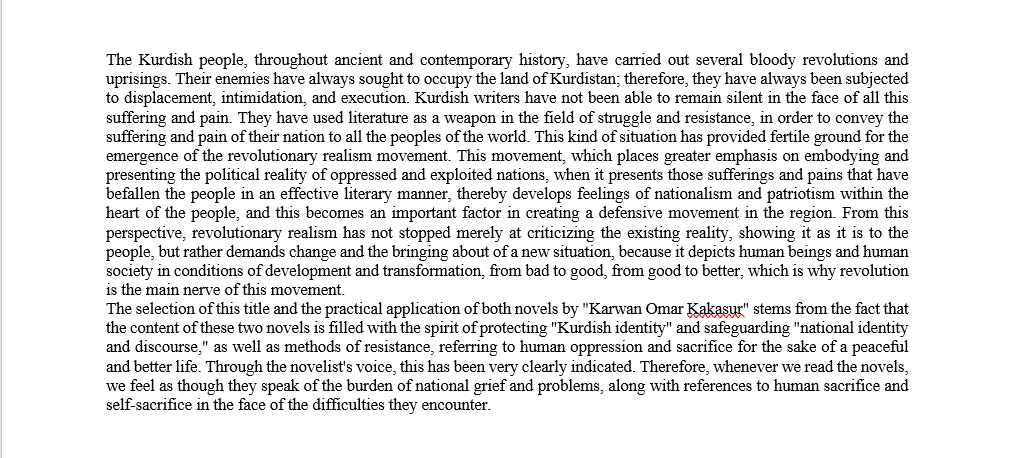
The Kurdish people, throughout ancient and contemporary history, have carried out several bloody revolutions and uprisings. Their enemies have always sought to occupy the land of Kurdistan; therefore, they have always been subjected to displacement, intimidation, and execution. Kurdish writers have not been able to remain silent in the face of all this suffering and pain. They have used literature as a weapon in the field of struggle and resistance, in order to convey the suffering and pain of their nation to all the peoples of the world. This kind of situation has provided fertile ground for the emergence of the revolutionary realism movement. This movement, which places greater emphasis on embodying and presenting the political reality of oppressed and exploited nations, when it presents those sufferings and pains that have befallen the people in an effective literary manner, thereby develops feelings of nationalism and patriotism within the heart of the people, and this becomes an important factor in creating a defensive movement in the region. From this perspective, revolutionary realism has not stopped merely at criticizing the existing reality, showing it as it is to the people, but rather demands change and the bringing about of a new situation, because it depicts human beings and human society in conditions of development and transformation, from bad to good, from good to better, which is why revolution is the main nerve of this movement.
The selection of this title and the practical application of both novels by "Karwan Omar Kakasur" stems from the fact that the content of these two novels is filled with the spirit of protecting "Kurdish identity" and safeguarding "national identity and discourse," as well as methods of resistance, referring to human oppression and sacrifice for the sake of a peaceful and better life. Through the novelist's voice, this has been very clearly indicated. Therefore, whenever we read the novels, we feel as though they speak of the burden of national grief and problems, along with references to human sacrifice and self-sacrifice in the face of the difficulties they encounter.
References
یهكهمـ : کتێب :
: به زمانی كوردی:
- پیرباڵ، فەرهاد (٢٠٢١)، ڕێبازە ئەدەبییەکان، چ٤، چاپخانەی تەهران.
- سابیر، د. پەرێز (٢٠٠٥)، ڕەخنەی ئەدەبی کوردی و مەسەلەکانی نوێکردنەوەی شیعر، چاپی یەکەم، دهزگای چاپ و بڵاوكردنهوهی ئاراس، ههولێر.
- سالار، ئەحمەد (١٩٨٨)، ڕێبازە سەرەکییەکانی ئەدەب و هونەر، دار الحریة للطباعة والنشـر، بغداد.
- سالار، ئەحمەد (2005)، هونهر و ژیان، چاپخانهی سهردهم، سلێمانی.
- طقوس، د. بسام (٢٠١١)، دەروازەیەک بۆ میتۆدەکانی ڕەخنەی هاوچەرخ، وەرگێڕانی: د. محمد تاتانی، لە بڵاوکراوەکانی خانەی وەرگێڕانی وەزارەتی ڕۆشنبیری، چاپی یەکەم، چاپخانەی شڤان، سلێمانی.
- عهبدولقادر، د. كهیفی ئهحمهد (2013)، ڕیالیزم له شانۆی كوردیدا، بهرێوبهرایهتی چاپخانهی ڕۆشنبیری، ههولێر.
- عهلی، جهعفهر، (2004)، ناسیۆنالیزم و ناسیۆنالیزمی كوردی، چ1، سلێمانی.
- قادر، عەباس محەمەد (٢٠١٠)، ڕیالیزم لە شیعری هاوچەرخی کوردیدا ١٩٤٦ - ١٩٧٠، مهڵبهندی كوردۆلۆجی، سلێمانی.
- كاكهسوور، كاروان عومهر(2020)، كهناڵی مهیموونهچهكدارهكان، چاپی سێیهم، چاپخانهی سهردهم، سلێمانی.
- كاكهسوور، كاروان عومهر، دواڕۆژ (2021)، سوارهكان به قاچاغ بووكیان گواستهوه، چاپی سێیهم، ناوهندی ڕهها بۆ چاپ و بڵاوكردنهوه، ههولێر.
- محمد، کامەران (2007)، کهلتوور لە نێوان وەرگرتن و ڕەتکردنەوەدا، چاپخانەی ڕۆمان، سلێمانی.
- مطلب، مهجید مەحمود (۲۰۰۸)، شیعر و فەلسەفە، وەڕگێڕانی: فوئاد مەجید میسری، دەزگای چاپ و پەخشی حەمدی، چاپی دووەم، سلێمانی.
- ئامێدی، د. عبدوڵڵا یاسین عهلی (2005)، هۆنراوهی بهرگری له بهرههمهكانی چهند شاعیرێكی كرمانجی سهروودا، چاپی یهكهم، چاپخانهی وهزارهتی پهروهرده، ههولێر.
: به زمانی عهرهبی:
- إسماعيل، د. عزالدين (2013)، الأدب وفنونه، دار الفكرة العربي، القاهرة.
- الأصفر، عبدالرزاق (1999)، المذاهب الأدبية لدى الغرب، اتحاد الكتاب العرب، دمشق.
- التكريتي، د. جميل نصيف (1990)، المذاهب الأدبية، الطبعة الأولى، دار الشؤون الثقافية للعامة، بغداد.
- تيجيم، فليپ فان (1983)، المذاهب الأدبية الكبرى في فرنسا، ترجمة: فريد انطونيت، طبعة الثالثة، منشورات عويدات، بيروت، پاريس.
- جابالله، د. السعید(2005)، الواقعیة فى الادب، دار الجامعة باتنه.
- الحمداني، د. سالم أحمد (1989)، مذاهب الأدب الغربي ومظاهرها في الأدب العربي الحديث، جامعة الموصل، مطبعة التعليم العالي.
- طابور، مهند (1990)، الواقعية في المسرح، مطبعة الامة، بغداد.
- عبيدي، محمد (1983)، الرواية الجزائرية الحديثة بين الواقعية والالتزام، دار العربية للكتاب، الجزائر.
- علوش ، د. سعید (1983)، معجم المصطلحات الأدبية المعاصرة، بيروت، لبنان.
- غاتشيف، غيورغي (1990)، الوعي والفن دراسات في تاريخ الصورة الفنية، سلسلة عالم المعرفة، الكويت.
- فضل، د. صلاح (1978)، منهج الواقعية في الابداع الأدبی، الهيئة المصرية العامة للكتاب.
- كرانت، ديمنت (1983)، الواقعية، موسوعة المصطلح النقدي، المجلد الثالث، ترجمة: د. عبدالواحد لؤلؤة، المؤسسة العربية للدراسات والنشـر، الطبعة الاولى، بيروت.
- مصطفی، د. عزالدین رسول (2010)، الواقعية في الأدب الكردي، الطبعة الثانية، في منشورات ئاراس، اربيل.
: به زمانی فارسی:
- اشورى، داریوش(1387)، دانشنامه سیاسی، تهران.
- سمیعی و رضا، اصفهانی وعلی (1378)، مناسبات جامعة و دولت در عصر قاجار، مجلة دانشكده حقوق.
- ملكوتیان، مصطفی (1376)، سیری در نظریة های انقلاب، چاپ دوم، تهران.
دووهم نامه ئهكادیمییهكان:
: به زمانی كوردی:
- بهكر، خهنده حاجی (2023)، ڕیالیزم له كۆچیڕۆكی (ههڵۆ)ی (ڕهئوف بیگهرد)دا، نامەی ماستەر، کۆلێژی پهروهرده، زانکۆی سەلاحەدین، هەولێر.
- حوسێن، هیمداد (1995)، ڕۆڵی گۆڤاری هیوا له پێشخستنی هونهرهكانی ئهدهبی كوردیدا، نامهی ماستهر ، زانكۆی سهڵاحهدین، ههولێر.
- غفور، عبدالسمد قادر (2015)، ژانرهكانی ئهدهب له گۆڤاری ههتاودا، نامهی ماستهر، كۆلێژی زمان، زانكۆی سهڵاحهدین، ههولێر.
- مستەفا، هێرۆ عبدالرحمن (٢٠٠٩)، ڕیالیزم لە شیعری ئەحمەد دڵزاردا، نامەی ماستەر، کۆلێژی زمان، زانکۆی سەلاحەدین، هەولێر.
سێیهمـ: گۆڤار و رۆژنامه:
- خدر، ڕێزان رهحمان، ( 2006)، ڕهنگدانهوهی ڕیالیزمی ڕهخنهیی، له ئهدهبدا، گۆڤاری ڕامان، ژماره(114).
- سلام، كوێستان جهمال (2021)، بیری شۆڕشگێڕی له شیعرهكانی "لهتیف ههڵمهت" دا، گۆڤاری قهڵای زانست، بهرگی (6)، ژماره (2)، ههولێر.
- میراودەلی، کەمال مەمەند (19٧٣)، ڕیالیزمی سۆشیالیستی، ڕۆژنامهی: بیری نوێ، ژمارە (٦٨).
Downloads
Published
How to Cite
Issue
Section
License
Copyright (c) 2025 Samer Ahmad Ibrahim , Karzan Mohsin Qadir

This work is licensed under a Creative Commons Attribution 4.0 International License.