
The Imagined Place in the Novel “Aisha Descends to the Underworld” by Buthaina Al-Essa
DOI:
https://doi.org/10.21271/zjhs.28.6.3Keywords:
imagination, space, fantasy, underworld.Abstract
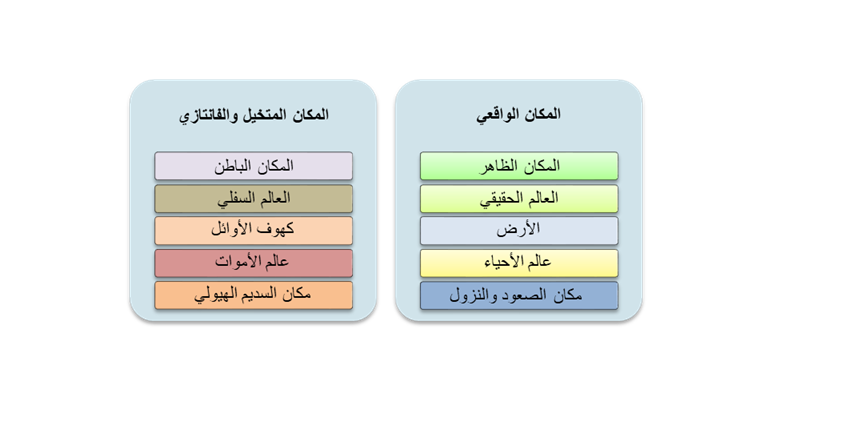
There is no doubt that (place) is the basic context in narrative literary work, especially in postmodern novels, to the extent that its author considered it the structure that included all the elements of the narrative, and linked all the narrative elements together. The new Arab novels seek to break out of the description of the place from its narrow scope. To a wide area, including contemplative and imaginative space and this is what the novel (Aisha Descends to the Underworld) did. The Kuwaiti novelist (Buthaina Al-Essa) varied in creating her different fictional world. The reality of the place and its atmosphere are mastered in philosophical, psychological, spiritual and social horizons, through the character (Aisha), and what surprises us comes from the writer of the novel: “I, Aisha, will die within seven days, and even this matter decides for me to write.”
Based on this strategic role of place and this critical gap, our study will focus on the fictional place in its theoretical and applied discussions to reach the artistic, semantic and aesthetic manifestations of the place, especially in the modernist novel “Aisha Descends to the Underworld.” Buthaina Al-Essa. The research reached a set of results, including: The desolate and frightening place constitutes the threshold of the title of this novel, and this imaginary place reveals the extent of the hesitation and human tragedy that the character Aisha, who represents the Levantine female, suffered. The approach followed is the descriptive analytical approach and the use of the psychological approach in analyzing the artistic structures of the novel framework.
Based on this strategic role of place and this critical gap, our study will focus on the fictional place in its theoretical and applied discussions to reach the artistic, semantic and aesthetic manifestations of the place, especially in the modernist novel (Aisha Descends to the Underworld).
References
- ابن منظور، جمال الدين، (1989)، لسان العرب، المجلد (2)، دار الجيل، بيروت، لبنان.
- أدونيس، (1993)، الصوفية والسريالية، دار الساقي بيروت، لبنان.
- باشلار، غاستون، (2006)، جماليات المكان، ترجمة غالب هلسا، ط(2) المؤسسة الجامعية للدراسات والنشر، الأردن.
- بن نور، بهاء، (2014)، الواقع والممكن، دار فضاءات للنشر والتوزيع، الأردن.
- التمارة، عبد الرحمن، (2019) الممكن المُتخيّل، المرجعية السياسية في الرواية، ط(1)، كنوز المعرفة، عمان .
- جنداري، إبراهيم، (2012)، الفضاء الروائي في أدب جبرا إبراهيم جبرا، دار تموز، سورية.
- سعد، عبد العزيز، (1970)، الزمن التراجيدي في الرواية، مكتبة الأنجلو المصرية.
- سويرتي، محمد، (1991) النقد البنيوي والنص الروائي، ج ( 2)، دار البيضاء.
- صالح، فخري، (2009)، في الرواية العربية الجديدة، ط1، دار العربية للعلوم، بيروت، ومنشورات الاختلاف، الجزائر.
- الصالح، نضال، (2001)، النزوع الأسطوري في الرواية العربية المعاصرة اتحاد الكتاب العرب، دمشق.
- العيسى، بثينة، (2015)، عائشة تنزل إلى العالم السُفلّي، الطبعة (10)، دار العربية للعلوم ناشرون، بيروت –لبنان.
- الكندي، يعقوب بن إسحاق، (1978)، رسائل الكندي الفلسفية، تحقيق: محمد عبد الهادي أبو ريدة، دار الفكر العربي، القاهرة.
- لوتمان، يوري، ومجموعة مؤلفين، (1986)، جماليات المكان، ط(2)، دار البيضاء، المغرب.
- النصير، ياسين، (1986)، إشكالية المكان في النص الأدبي، دراسات نقدية، دار الشؤون الثقافية العامة، بغداد.
- هورست ريديكر، (1977)، الانعكاس والفعل: ديالكتيت الواقعية في الإبداع الفني، ترجمة فوأد مرعي، دار الجماهير، دمشق.
- هيدجر، ستروس، عبد الرزاق الدواي، (2018)، موت الإنسان في الخطاب الفلسفي المعاصر ، دار الطليعة، بيروت.
- ولكشتاين، دايان و كريمر، صموئيل،(2007)، إنانا ملكة السماء والأرض، ترجمة شاكر الحاج مخلف، خطوات للنشر والتوزيع، دمشق.
الدوريات:
- شافالييه، جون، و قيربرانت، الآن، ترجمة: سعد، فيصل (1990)، "معجم الرموز" باريس، نشر في مجلة الباب، ع 6، صيف، 2016، مؤسسة مؤمنون بلا حدود للدراسات والأبحاث: المملكة المغربية.
- عصفور، جابر (1993)، زمن الرواية، في افتتاحية مجلة الفصول القاهرة العدد الخاص عن زمن الرواية، ج(1)، شتاء. القاهرة.
Downloads
Published
How to Cite
Issue
Section
License
Copyright (c) 2024 Suzan Musheer Hamad

This work is licensed under a Creative Commons Attribution 4.0 International License.