
آثار النهج المتمركز حول الطالب على مهارات التحدث باللغة الإنجليزية كلغة أجنبية بين طلاب الجامعات الكردية
DOI:
https://doi.org/10.21271/zjhs.30.SpB.37الكلمات المفتاحية:
Academic speaking skills, EAP (English for Academic Purposes), ELT, Kurdish EFL university students, Student-centered approach.الملخص
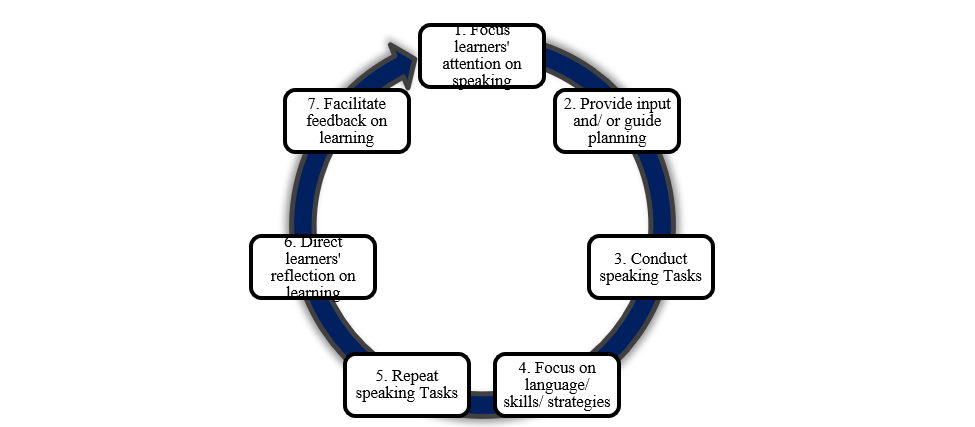
تبحث هذه الدراسة في تأثير النهج المتمركز حول الطالب على مهارات التحدث الأكاديمي باللغة الإنجليزية كلغة أجنبية بين طلاب الجامعات الکردیة، وهو موضوع ذو فجوات نظرية وتجريبية وعملية كبيرة. في الأبحاث الحالية، في حين ركزت الأبحاث السابقة في إقليم كردستان على اللغة الإنجليزية العامة، إلا أن القليل منها تحدثت خصوصا علی الإنجليزية الأكاديمية، ولم تقدم أي دراسات إطارًا عمليًا ومحددًا للسياق لنهج متمركز حول الطالب. إضافة على ذلك، فشلت الأبحاث الحالية في قياس كل من الأداء الموضوعي وتصورات الطلاب الذاتية بشكل شامل. باستخدام تصميم بحث كمي، استخدمت هذه الدراسة تدخلاً لمدة ١٢ أسبوعًا مع ٤٥ طالبًا جامعيًا مقسمين بين مجموعة تجريبية (مركزة على الطالب) ومجموعة ضابطة مركزة على المعلم. توضح النتائج أن نهج متمركز حول الطالب قد حسّن بشكل كبير أداء الطلاب في التحدث عبر جميع المكونات المقاسة. كانت النتيجة الأكثر بروزًا هي التحسن ذي الدلالة الإحصائية في البلاغة أو الطلاقة والتماسك في المجموعة التجريبية مقارنة بالمجموعة الضابطة. بالإضافة إلى ذلك، عزز نهج متمركز حول الطالب بشكل إيجابي دافعية المتعلمين وموقفهم تجاه التحدث باللغة الإنجليزية. تُسد هذه الدراسة ثغرة جوهرية بتقديم نموذج مُصمم خصيصًا لتدریس القدرة على التحدث الأكاديمي مُركزٍ على الطالب من خمس خطوات عملیة. و بعد ذلك كشف هذا البحث عن رؤيةٍ مُختلفةٍ تمامًا: فرغم فعالية هذا النموذج، إلا أنه قد يُؤدي إلى تباينٍ بين قدرة الطالب المُتصورة وكفاءته الفعلية الحقیقیة. وفي الختام، تُقدم هذه الدراسة إطارًا تربويًا هامًا ومُستندًا إلى الأدلة لتعزيز مهارات التحدث الأكاديمي في سياق إقليم كردستان والعراق.
المراجع
- Al Bajalani, F.R.Hasan. and Kiani, M. (2018). The Implementation of the Learner-Centered Instruction at Knowledge University. Journal of Raparin University, 5(15), pp.43–58.
- Arbain, A. and Nur, D.R. (2017). Techniques for Teaching Speaking Skill in Widya Gama Mahakam University. Script Journal: Journal of Linguistic and English Teaching, 2(1), pp.13–25. doi:https://doi.org/10.24903/sj.v2i1.80.
- Awla, N.J. and Haji, N.M. (2023). Investigating The Implementation of Student-centered Approach in EFL Speaking Classroom. Journal of University of Duhok, 26(1), pp.750–767. doi:https://doi.org/10.26682/hjuod.2023.26.1.47.
- Azizi, Z., Namziandost, E. and Ashkani, P. (2022). Active Learning as an Approach to Fostering EFL Learners’ Speaking Skills and Willingness to Communicate: A Mixed-methods Inquiry. ISSUES IN LANGUAGE TEACHING (ILT), 11(2), pp.93–128. doi:https://doi.org/10.22054/ilt.2023.70542.744.
- Barnsley, L., Lyon, P.M., Ralston, S.J., Hibbert, E.J., Cunningham, I., Gordon, F.C. and Field, M.J. (2004). Clinical skills in junior medical officers: a comparison of self-reported confidence and observed competence. Medical Education, 38(4), pp.358–367. doi:https://doi.org/10.1046/j.1365-2923.2004.01773.x.
- Chaney, A.L. and Burk, T.L. (1998). Teaching oral communication in grades K-8. Boston: Allyn And Bacon.
- Chang, A. and Alhusna, A. (2022). Improving Students’ Speaking Ability and Willingness to Communicate through Joining English Debating Community. BULLET : Jurnal Multidisiplin Ilmu, [online] 1(04), pp.526–530. Available at: https://journal.mediapublikasi.id/index.php/bullet/article/view/756 [Accessed 13 Aug. 2025].
- Cornelius-White, J.H.D. and Harbaugh, A.P. (2010). Learner-centered instruction : building relationships for student success. Thousand Oaks, Calif.: Sage Publications.
- Derakhshan, A., Khalili, A.N. and Beheshti, F. (2016). Developing EFL learner’s speaking ability, accuracy and fluency. English Language and Literature Studies, 6(2), pp.177–186. doi:https://doi.org/10.5539/ells.v6n2p177.
- Eva, K.W., Cunnington, J.P.W., Reiter, H.I., Keane, D.R. and Norman, G.R. (2004). How Can I Know What I Don’t Know? Poor Self Assessment in a Well-Defined Domain. Advances in Health Sciences Education, 9(3), pp.211–224. doi:https://doi.org/10.1023/b:ahse.0000038209.65714.d4.
- Goh, C.C.M. and Burns, A. (2012). Teaching Speaking: A Holistic Approach. Cambridge: Cambridge University Press.
- Haji, R.M., Mohammed, R.A. and Husamalddin , A.H. (2025). Challenges and solutions in transitioning to student-centred learning: insights from university lecturers in the Kurdistan Region of Iraq. Journal of Further and Higher Education, pp.1–16. doi:https://doi.org/10.1080/0309877X.2025.2546914.
- Kassem, H.M. (2018). The impact of student-centered instruction on EFL learners’ affect and achievement. English Language Teaching, 12(1), pp.134–153. doi:https://doi.org/10.5539/elt.v12n1p134.
- Kruger, J. and Dunning, D. (1999). Unskilled and unaware of it: How difficulties in recognizing one’s own incompetence lead to inflated self-assessments. Journal of Personality and Social Psychology, 77(6), pp.1121–1134. doi:https://doi.org/10.1037/0022-3514.77.6.1121.
- Lam, Y.K.W. (2006). Assessing the effects of ESL oral communication strategy training: A multi-method approach. In: Paper presented at the Joint Conference of AAAL and ACLA/CAAL 2006, Montreal, Quebec..
- Larasati, F. (2018). Student centered learning: an approach to develop speaking skill in EFL classroom. English Community Journal, 2(1), pp.153–157. doi:https://doi.org/10.32502/ecj.v2i1.1004.
- Liew, H.S. and Aziz, A.A. (2022). Systematic Review on Speaking Skill Teaching Approaches in the ESL / EFL Classroom: Before and During Covid 19. International Journal of Academic Research in Progressive Education and Development, [online] 11(1), pp.216–234. Available at: https://doi.org/10.6007/ijarped/v11-i1/11677 [Accessed 13 Aug. 2025].
- Maasin-Ceballos, M.J. and Ceballos, R.F. (2018). Learner-Centered Approaches: Their Effect on the Oral Fluency of Students. Journal of Language and Education, 4(1), pp.6–17. doi:https://doi.org/10.17323/2411-7390-2018-4-1-6-17.
- Mahdjoubi, A. and Tibba, F. (2017). Enhancing Students’ Speaking Skill through Learner-Centered Instruction approach Case Study: 1st year LMD Students of English at Ahmed Draia University of Adrar. [Master’s thesis] Available at: https://dspace.univ-adrar.edu.dz/jspui/bitstream [Accessed 9 Aug. 2025].
- Manurung, K. (2015). Improving the Speaking Skill Using Reading Contextual Internet-based Instructional Materials in an EFL Class in Indonesia. Procedia - Social and Behavioral Sciences, 176, pp.44–51. doi:https://doi.org/10.1016/j.sbspro.2015.01.442.
- Megawati, F. and Mandarani, V. (2016). Speaking Problems in English Communication. ELTiC CONFERENCE, [online] 1(1), pp.1–8. Available at: https://eproceedings.umpwr.ac.id/index.php/eltic/article/view/519 [Accessed 13 Aug. 2025].
- Mohamedamin, A.A., Ghafar, Z.N., Mamnd, V.F. and Jumaa, E.M. (2025). The Effect of Communicative Language Teaching on Kurdish EFL Learners’ Speaking Skills in Soran Independent Administration. JOURNAL OF DIGITAL LEARNING AND DISTANCE EDUCATION, 4(2), pp.1520–1526. doi:https://doi.org/10.56778/jdlde.v4i2.531.
- Molteni, V.E. and Chan, E.K. (2015). Student Confidence/Overconfidence in the Research Process. The Journal of Academic Librarianship, 41(1), pp.2–8. doi:https://doi.org/10.1016/j.acalib.2014.11.012.
- Nonkukhetkhong, K., Baldauf Jr., R.B. and Moni, K. (2006). Learner centeredness in teaching English as a foreign language: Teachers’ voices. In: Paper presented at the 26th Annual Thai TESOL International Conference: Teaching, Learning, Researching: Three Pillars of TESOL. 26 Thai TESOL International Conference. Thailand: Thailand TESOL, pp.1–9.
- Qamar, M.B. (2016). The Impact of Learner’s Autonomy on Teaching Oral Skills (Speaking Skills) in an EFL Classroom. Journal of Language Teaching and Research, 7(2), p.293. doi:https://doi.org/10.17507/jltr.0702.07.
- Renandya, W.A. and Nguyen, M.T.T. (2022). Teaching speaking in L2 contexts. In: E. Hinkel , ed., Handbook of practical second language teaching and learning. [online] Routledge, pp.269–280. doi:https://doi.org/10.4324/9781003106609-22.
- Richards, J.C. and Renandya, W.A. (2002). Methodology in language teaching : an anthology of current practice. New York, N.Y.: Cambridge University Press.
- Zare-Behtash, E., Khoshsima, H. and Sarlak, T. (2016). The Effect of Project Work on the Speaking Ability of Iranian EFL beginner Students. Journal of Applied Linguistics and Language Research, 3(1), pp.167–177.
- Zohrabi, M., Torabi, M.A. and Baybourdiani, P. (2012). Teacher-centered and/or Student-centered Learning:English Language in Iran. English Language and Literature Studies, 2(3), pp.18–30. doi:https://doi.org/10.5539/ells.v2n3p18.
التنزيلات
منشور
كيفية الاقتباس
إصدار
القسم
الرخصة
الحقوق الفكرية (c) 2026 Shakar Salah Rahim, Twana Saadi Hamid

هذا العمل مرخص بموجب Creative Commons Attribution 4.0 International License.