
The Reality of Art Education in Kurdistan Region School
DOI:
https://doi.org/10.21271/zjhs.29.SpB.11الكلمات المفتاحية:
Reality, art education, schools in the Kurdistan Region.الملخص
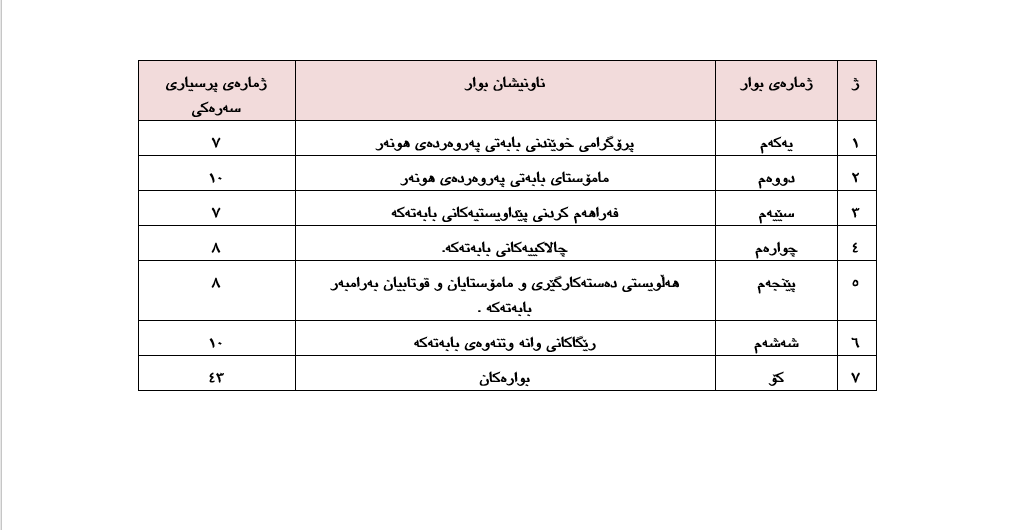
The aim of the research was to reveal the reality of art education in the schools of the Kurdistan Region of Iraq. The descriptive analytical approach was used to complete the research, according to the nature of the research topic and its objective. The research community consisted of all male and female art education teachers in the schools of Erbil City Center, in the Kurdistan Region of Iraq for the academic year (2024-2025), numbering (793) male and female teachers, and the research sample included (425) male and female teachers, who were randomly selected from the research community. The data collection tool for the research was limited to a closed questionnaire consisting of (6) fields and (43) main questions after extracting its psychometric standards, such as apparent validity, reliability, and the average time required to answer its questions. The questionnaire was administered to the individuals of the original research sample. After collecting the answers, the data was analyzed and processed statistically using the weighted mean equation and the percentage as a calculation method. A number of results were reached, the most important of which areكل١ پێشەکیامۆستایانى بابەتەکە. ة في المدارس ، لمادة، لاجابات : Art education in Erbil city schools faces many obstacles or difficulties, such as: the lack of a comprehensive and contemporary curriculum for the subject in schools that is compatible with current global developments in the field of art and contemporary trends in art education. Lack of budget allocated for material requirements, Lack of teachers, male and female, specialized in the subject, Using traditional teaching methods in teaching the subject, not providing the requirements of the subject in schools as they should, such as: classrooms, workshops and halls necessary according to the subject areas, materials, tools and work supplies specific to the subject, In addition to the lack of continuous training courses for teachers of the subject, Not to mention the marginalization of the subject compared to other subjects in schools in general, In light of the research results, several conclusions, recommendations and proposals were presented.
المراجع
٤-٦-١ سەرچاوەکان بە زمانى عەرەبی:
- عبد الله، الجعيد، 2007. الأهداف العامة للتربية الفنية للمراحل الثلاث (الابتدائية، الإعدادية، الثانوية). متاح على: https://www.al-jazirah.com/1999/19991007/ak4.htm
- عبد الحميد، ج، 2015. مدخل إلى التربية الفنية: المفاهيم والأسس والتطبيقات. القاهرة: دار الفكر العربي.
- عبد الله، حمد المواش، 1999. دور معلم التربية الفنية. جريدة الجزيرة، الخميس 27، جمادي الثانية 1420 هـ، العدد 9870. متاح على: https://www.al-jazirah.com/1999/19991007/ak4.htm تم الاطلاع عليه في: 1 فبراير 2025.
- الغفياني، س، دمراوي، ف، كوجيل، ر، المحمدي، ع**، 2024. واقع تدريس التربية الفنية بالمرحلة الأولى من السلك الابتدائي - مديرية بولمان نموذجًا. مجلة كراسات تربوية، المجلد 1، العدد 13. متاح على: https://journals.imist.ma/index.php/korasat/article/view/724
- القرني، ع، 2006. أسس التربية الفنية. الرياض: دار الزهراء للنشر والتوزيع.
- الشريف، م، 2020. تعريف الواقع: دراسة فلسفية. القاهرة: دار النشر.
- صليبا، ج، 1982. المعجم الفلسفي. ج1. بيروت: دار الكتاب اللبناني.
- فرويد، س، 1923. الهو، الأنا، والأنا العليا. فيينا: دار النشر.
- غوفمان، إ، 1959. العرض الاجتماعي في الحياة اليومية. نيويورك: دار ألفريد نوبف.
- هيغنز، ج، وويليامسون، إ**، 2004. مفاهيم الواقع في علم الفيزياء. لندن: دار أكسفورد.
- زكي، ل م، 1972. نظرية العمل في تدريس الفنون. القاهرة: دار المعارف.
- طه، أ. ي. (2014). "مفهوم التربية الجمالية في الفن الحديث في إقليم كردستان: الانطباعية نموذجاً". مجلة العلوم الإنسانية الجامعية، جامعة صلاح الدين-أربيل، المجلد 18، العدد 2.
- طه، أ. ي. (٢٠١٤). "الانطباعية في أعمال محمد عارف وسليمان شاكر". مجلة العلوم الإنسانية الجامعية، جامعة صلاح الدين-أربيل، العدد ٥٨.
- سلمان، ع عنيزي، 2010. تقويم واقع التربية الفنية في المدارس العراقية من وجهة نظر مدرسيها. مجلة جامعة الأنبار للعلوم الإنسانية، العدد 2(1)، 629–658. متاح على: https://yarab.yabesh.ir/yarab/handle/yad/20748 تم الاطلاع عليه في: 20 يونيو 2024.
- شوقي، إ، 2002. مدخل إلى التربية الفنية. ط2. الرياض: دار الرفعة للنشر والتوزيع.
- موسى، س ل، 2001. طرائق وتقنيات تدريس الفنون. وزارة التعليم العالي والبحث العلمي، بغداد: مطبعة السعدون.
- مجد، م خضر، 2024. التربية الفنية ودورها في تنمية إبداع الطالب. نشرة منهجيات. متاح على: https://www.manhajiyat.com/
- عبد الحسين، ع م، 2024. واقع تدريس مادة التربية الفنية في مدينة بغداد. مجلة كلية التربية الأساسية – جامعة المستنصرية، المجلد 30، العدد 126، ص139–158. متاح على: https://www.researchgate.net/publication/384734573_waq_tdrys_madt_altrbyt_alfnyt_fy_mdynt_bghdad
- وسام، طلال، 2021. أهمية التربية الفنية. متاح على: https://mawdoo3.com/
٤-٦-٣ پێداچوونەوەکان:
- Stuckey, H. L. & Nobel, J. (2010) ‘The connection between art, healing, and public health: A review of current literature’, American Journal of Public Health,.
٤-٦-٢ وتارە ئەکادیمییەکان:
- Winner, E., Goldstein, T. R. & Vincent-Lancrin, S. (2013) Art for art’s sake? The impact of arts education. Paris: OECD Publishing.
٤-٦-٣ پەرتووکەکان بەزمانی ئینگلیزی:
- Badawi, S ، 1998. Muʿjam al-Muṣṭalaḥāt al-Nafsīyah [Dictionary of Psychological Terms]. Cairo: Dār al-Kitāb al-Miṣrī.
- Foucault, M ، 1971. L'archéologie du savoir [The Archaeology of Knowledge]. Paris: NRF/Gallimard.
- Goffman, E ، 1959. The Presentation of Self in Everyday Life. New York: Anchor Books.
- Freud, S ، 1923. Das Ich und das Es [The Ego and the Id]. Vienna: Internationaler Psychoanalytischer Verlag.
- Higgins, J ، and Williamson, E، 2004. Concepts of Reality in Physics. London: Oxford University Press.
- Langer, S. (1984). Philosophy in a New Key: A Study in the Symbolism of Reason, Rite, and Art. 3rd ed. Cambridge, MA: Harvard University Press.
- Langer, S. (2019) Philosophy of Education and the Development of the Mind. UK: Cambridge.
- Dewey, J. (1934) Art as experience. New York: Minton, Balch & Company.
- Dissanayake, E. (2000) Art and intimacy: How the arts began. Seattle: University of Washington Press.
- Efland, A. D. (2002) Art and cognition: Integrating the visual arts in the curriculum. New York: Teachers College Press.
- Eisner, E. W. (2002) The arts and the creation of mind. New Haven: Yale University Press.
- Hetland, L., Winner, E., Veenema, S. & Sheridan, K. M. (2013) Studio thinking 2: The real benefits of visual arts education. New York: Teachers College Press.
- Bamford, A. (2006) The wow factor: Global research compendium on the impact of the arts in education. Münster: Waxmann.
- Robinson, K. (2011) Out of our minds: Learning to be creative. Oxford: Capstone
التنزيلات
منشور
كيفية الاقتباس
إصدار
القسم
الرخصة
الحقوق الفكرية (c) 2025 Ibrahim Yasin Taha , Jawad Nemat Hussein

هذا العمل مرخص بموجب Creative Commons Attribution 4.0 International License.