
Digital Media: Algorithmic Amplification of Hate Speech and Its Impact on Social Cohesion in the Kurdistan Region
DOI:
https://doi.org/10.21271/zjhs.30.SpB.10Keywords:
Algorithms, Hate Speech, Coexistence, Digital Media, Social Cohesion.Abstract
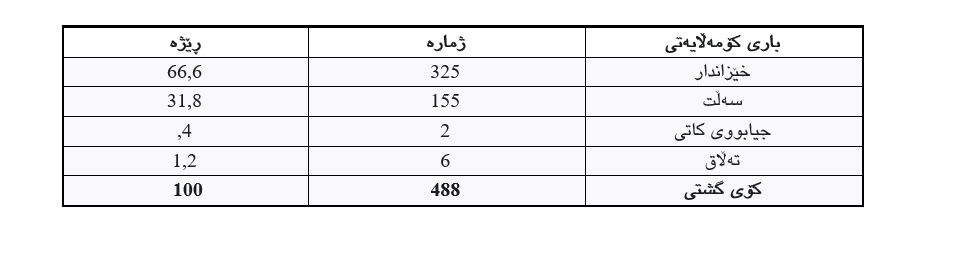
In providing insight into the impact of digital media on societal harmony, this research addresses the issue of Digital Media: Algorithmic Amplification of Hate Speech and Its Impact on Coexistence and Social Cohesion in the Kurdistan Region. The study aims to identify the role of algorithms in deepening polarization and threatening peaceful coexistence among different communities. Participants were recruited through non-probability sampling, comprising 488 digital media users across the region. The study employed a survey methodology, using an electronic scale with multiple items to measure “exposure to hate speech” and “belief in coexistence.” This method is useful for analyzing associations and predictive relationships, as well as for gaining a systematic understanding of factors influencing attitudes toward coexistence. Data were analyzed using statistical tools from the SPSS program, including correlation and multiple regression analysis. The most significant findings revealed a weak positive correlation between exposure to hate speech and belief in coexistence, indicating a “defensive reaction” phenomenon within society. Place of residence and ethnicity emerged as the most influential factors, while platform usage showed no statistically significant effect. These results suggest that digital media functions more as a mirror reflecting political and geographical realities than as a primary shaper of attitudes. Furthermore, although digital media can threaten social cohesion, it paradoxically strengthens the belief in “coexistence” a cornerstone of cohesion as a counter-response.
References
- حسین، توانا فریدون (2008) هاوبەندى کۆمەڵایەتى لە خێزانى کوردیدا- توێژینەوەیەکى مەیدانیە لە شارى سلێمانى، نامەیەکى ماستەرى (بڵاونەکراوەیە) زانکۆى سلێمانى: کۆلێژى زانستە مرۆڤایەتیەکان.
- حەسەن، ئیحسان محەمەد (2010) تیۆرە کۆمەڵایەتییە پێشکەوتووەکان (وەرگێڕانى: دیدار ئەبوزێد) هەولێر دەزگاى چاپ و بڵاوکردنەوەى ڕۆژهەڵات.
- حەکیم، مراد و ئەمیر، لەیلا (2020) کۆمەڵگەى باشورى کوردستان لە نێوان یەکگرتوویی و پەرتەوازەییدا. لە: سیاسەت و کۆمەڵگە لە باشورى کوردستان، ئیحسان وەڵزى و موسڵح ئیروانى (ئامادەکاران)، هەولێر: ئینستیتووتى سیاسەتى گشتى. ل: 197-226.
- الجوهري، محمد (2006) رواد علم الإجتماع ، القاهرة: دار المعرفة الجامعية.
- دوركايم، اميل (2015) التربية الأخلاقية (ترجمة: السيد محمد بدوي) القاهرة: المركز القومي للترجمة.
- زايد، أحمد (2005) مدخل إلى علم الاجتماع، القاهرة: دار الفكر العربي.
- سهعید، محهمهد كهریم (2023) ڕۆڵی کهناڵه کوردییە ئاسمانییەکان له هاندانی پێكهوه ژیانی ئایینی و نهتهوهیی له ههرێمى كوردستاندا، نامەیەکى ماستەرى بڵاونەکراوەیە. زانكۆی سهڵاحهدین- ههولێر: كۆلیژی ئاداب.
- صميلي، حسن بن ادريس عبده (2020) وسائل التواصل الاجتماعي وعلاقتها بكل من التماسك الأسري و جودة الحياة الأكاديمية لدى طلاب جامعة جازان، مجلة الإرشاد النفسي، العدد 64 ،ج 1، ص: 346-271.
- عبد الرحمن، عبد الله (2010)، إميل دوركايم ونظرية التماسك الاجتماعي، مجلة عالم الفكر، المجلس الوطني للثقافة والفنون والآداب، الكويت.
- على، عمر جیاد (2023) نشر الأخبار الكاذبة عبر مواقع التواصل الاجتماعي وأثرها على التماسك المجتمعي من وجهة نظر أساتذة الجامعة، مجلة آداب الفراهيدي، المجلد (15) العدد (53) ص: 244-226.
- غزال، ایناس محمد فتحي غزال (2009) الإنترنت وأبعاد التماسك الاجتماعي في الأسرة المصرية في ظل تحديات العولمة- دراسة میدانیة، مصر: جامعة المنوفية كلية الآداب، مجلة بحوث كلية الآداب، المجلد 2009، العدد (77) ص. 15-64. Doi: 10.21608/SJAM.2009.138182
- فياض، حسام الدين محمود (2018)، إميل دوركايم: مؤسس علم الاجتماع الحديث، بيروت: مكتبة نحو علم اجتماع تنويري.
- لێژێ، دانیەڵ هێرڤۆ و، ویلیەم، ژان-پۆڵ (2024) کۆمەڵناسى ئایین (وەرگێڕانى: ئارام ئەمین شوانى)، هەولێر: لە بڵاوکراوەکانى ناوەندى فێربوون.
- Bethlehem, J. (2010). Selection Bias in Web Surveys. International Statistical Review, 78(2), pp.161–188. https://doi.org/10.1111/j.1751-5823.2010.00112.x
- Del Vicario, M., Vivaldo, G., Bessi, A. et al. (2016). Echo chambers: Emotional contagion and group polarization on Facebook. Scientific Reports, 6(1), 37825. https://doi.org/10.1038/srep37825
- Dubois, E., & Blank, G. (2018). The echo chamber is overstated: the moderating effect of political interest and diverse media. Information, Communication & Society, 21(5), 729–745. https://doi.org/10.1080/1369118X.2018.1428656.
- Durkheim, É. (1893). The Division of Labor in Society. Translated by W. D. Halls. New York: The Free Press.
- Flaxman, S., Goel, S., & Rao, J. M. (2016). Filter bubbles, echo chambers, and online news consumption. Public Opinion Quarterly, 80(S1), 298–320. https://doi.org/10.1093/poq/nfw006
- González-Bailón, S. & Lelkes, Y. (2022) Do social media undermine social cohesion? A critical review. Social Issues and Policy Review, 17, 155–180. https://doi.org/10.1111/sipr.12091
- Jamieson, K. H., & Cappella, J. N. (2008). Echo chamber: Rush Limbaugh and the conservative media establishment. Oxford University Press. https://www.amazon.com/Echo-Chamber-Limbaugh-Conservative-Establishment/dp/0195366824.
- Kemal Ö. Power Analysis and Sample Size, When and Why? Turk Arch Otorhinolaryngol. 2020 Mar;58(1):3-4. doi: 10.5152/tao.2020.0330 Epub 2020 Mar 1. PMID: 32313887; PMCID: PMC7162597.
- Lewis, Jeffrey, Pond, Philip, Cameron, Robin, and Lewis, Belinda (2019) Social cohesion, Twitter and far-right politics in Australia: Diversity in the democratic media sphere. Sage Journals. Volume 22, Issue 5-6. Pp: 958-978. https://doi.org/10.1177/1367549419833.
- Matema, Tawanda & Kariuki, Paul)2022) The Impact of Social Media on Social Cohesion in South Afric, Journal of Economics and Behavioral Studies (2220-6140) Vol. 14, No. 2, pp. 1-12. https://doi.org/10.22610/jebs.v14i2(J).3249
- Pariser, E. (2012) The filter bubble: What the internet is hiding from you. New York: Penguin Press. https://www.amazon.com/Filter-Bubble-What-Internet-Hiding/dp/0143121235.
- Pfisterer, P.H., Busch, B., & Purkarthofer, J. (2008). Years of Community Radio in Austria An Explorative Study of Open Access , Pluralism and Social Cohesion.https://api.semanticscholar.org/CorpusID:56314132
- Schirch, L. (2021). Social Cohesion and Conflict Dynamics on Social Media. The Journal of Intelligence, Conflict, and Warfare, 4(2), 68–74.
- Stieglitz, Stefan & Ross, Björn (2022) The Impact of Social Media on Social Cohesion: A Double‐Edged Sword, Media and Communication (2183–2439), Vol. 10, Issue 2, Pp: 104–107, https://doi.org/10.17645/mac.v10i2.5792
- Strömbäck, J. (2015). Future media environments, democracy and social cohesion. Digital Opportunities: Digitaliseringkommissionen, 97-122. Available from: 2024-4-27 : (SOU2015_65_engvers_webb (researchgate.net).
- Sunstein, C. R. (2007) Republic.com 2.0. Princeton: Princeton University Press. https://archive.org/details/republic.com2.0000suns
- Taha, Yaseen M., Beaujouan, J., & Rasheed, A. (2021). POLITICAL TRUST AND SOCIAL COHESION AT A TIME OF CRISIS The Impact of COVID-19 on Kurdistan Region-Iraq. Academic Journal of Nawroz University, 10(2), 86–112. https://doi.org/10.25007/ajnu.v10n2a999
- Tufekci, Z. (2018) ‘YouTube, the Great Radicalizer’, The New York Times, 10 March. Available at: Opinion | YouTube, the Great Radicalizer - The New York Times (Accessed: 7 August 2025).
Downloads
Published
How to Cite
Issue
Section
License
Copyright (c) 2026 Hemin Amen Jalal Shwani , Tahir Haso Zebari

This work is licensed under a Creative Commons Attribution 4.0 International License.