
The Oud: Its Reflections on Playing level and Development of Music
DOI:
https://doi.org/10.21271/zjhs.29.SpB.13Keywords:
History, Oud Instrument, Reflection, Improvement.Abstract
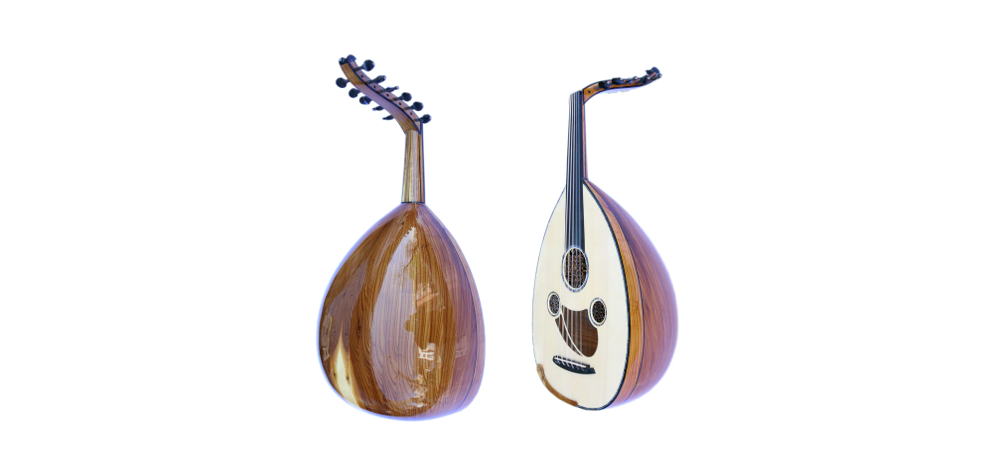
The oud instrument is a traditional musical instrument which has a long and deep history in Arab, Kurdish and Islamic cultures. The ouds body consists of different types of woods with several strings that are played with the fingers or plectrum. The history of It comes back to thousands of years, scholars believe that the oud originated in Mesopotamia and then spread to other parts of the world, including the Middle East and North Africa. The oud was more important than a musical instrument. It has played a major role in social and political culture throughout the ages. In Arab societies in general and Kurdish societies in particular, the oud has been a symbol of art and cultural identity. Evenings of music, bringing family and friends together and strengthening social bonds through playing and singing have reflected a rich legacy of stories and emotions. Politically, the oud has been associated with the cultural movement and the Eastern world. Artists and inventors have used it to express their opinions and attitudes towards social and political changes. The oud was also a means of communicating political and social messages through songs and melodies that have deep meaning. In practice, the oud is an important part of musical culture. Because it is used in various occasions such as weddings and parties and creates a balance between the old and the modern in the world of contemporary art. It is also a means of training and teaching new generations in the art of music, preserving rich cultural heritage. The oud also represents a connection between the past and the present, reflecting a long history of innovation and expression, and continues to maintain its position as a major component of Oriental art and music.
References
- الأيوبي، عبد الرحمن، (1985). مدخل إلى دراسة التاريخ. بيروت: دار النهضة العربية.
- توفيق الصباغ، (1950). الدليل الموسيقي في طرب الانخام. غير مذكور مكان الطبع.
- جەنگی جەلال، (2024). "ئامێری عود رەنگدانەوەی باشی هەبووە لەسەر موزیكی كوردی". راپۆرت على رێگای کوردستان. متاح عبر الرابط: https://shorturl.at/lqInk
- حبيب طاهر عباس، (1986). الموسوعة الموسيقية. دار الحرية للطباعة، بغداد.
- حسن، أحمد، (2002). الموسيقى العربية وآلاتها. القاهرة: مكتبة الأسرة.
- حورية عزمي، (1976). سياسات آلة العود، الجزء الأول.
- د.صبحي أنور رشيد، (1975). الآلات الموسيقية في العصور الإسلامية. دار الحرية للطباعة، بغداد.
- د.صبحي أنور رشيد، (1980). الموسيقى في العراق القديم، الطبعة الأولى.
- د.صبحي أنور رشيد، (2000). موجز تاريخ الموسيقى والغناء العربي. دار الشؤون الثقافية العامة، بغداد.
- سالم عبدالكريم، (1994). دراسات لآلة العود، الجزء الأول. بغداد.
- سلمى قصاب حسن، (1998). "الحياة الموسيقية". مجلة فصلية تصدر عن وزارة الثقافة، دمشق.
- الطائي، عبد العزيز، (2010). علم النفس الاجتماعي. الرياض: مكتبة العبيكان.
- علي شوك، (1997). الموسيقى بين الشرق والغرب. منشورات الجمل، كولونيا، ألمانيا.
- ماجد نسير، (1995). مدخل إلى مقام العراقى. دار كونان، لندن.
- مجلة الحياة الموسيقية، (بدون سنة). عدد 54، سوريا.
- محمد فواد محفوظ، (1935). تعليم الموسيقى الشرقية. مطبعة الترقي، دمشق.
- مركز دراسات الوحدة العربية، (2004). موسيقانا العربية: أسئلة الأصالة والتجديد. بيروت.
- مهدي كمون، (بدون سنة). "الكندي وآلة العود". مجلة الحياة الموسيقية، عدد 54، سوريا.
- مهيمن إبراهيم الجزراوي، (2004). خصائص اللحنية والإيقاعية في أغانى المرافقة للمقام العراقى. مطبعة الأنعام.
- نبيل شورة، (2006). قراءات في تاريخ الموسيقى العربية. القاهرة.
- الندوي، عبد الرزاق، (2015). مدخل إلى علم التطور. القاهرة: المركز الثقافي العربي.
- نصير شمة، (2015). "دور العود في تطور مسيرة الموسيقى الشرقية". مجلة الموسيقى العربية. متاح عبر الرابط: https://shorturl.at/OCVvf
- هاشم الرجب، (2017). "الرسالة الشرقية في النصب التلحيفي لصفي الدين الأرموري".
- هنري فارمر، (1987). تاريخ الموسيقى. بيروت.
- علماء الحملة الفرنسیة، (ت.الشایب، زهیر). (١٩٩٣). وصف مصر، اڵالات الموسیقیة المستخدمة عند المصریین المحدثین. دار الشاینب للنشر. القاهرة.
-غەفور، فەرهەنگ. ٢٠٢٥. هەولێر. چاوپێکەوتن.
-gokce engin. Features of Turkish Oud. Aug 31, 2022. https://shorturl.at/RztYX.
-Farsicity. The Persian Oud: History and Significance. Aug 12, 2024. https://shorturl.at/8F1aT
Downloads
Published
How to Cite
Issue
Section
License
Copyright (c) 2025 Harem Jamal Rashid, Srwd Foad Muhammed

This work is licensed under a Creative Commons Attribution 4.0 International License.